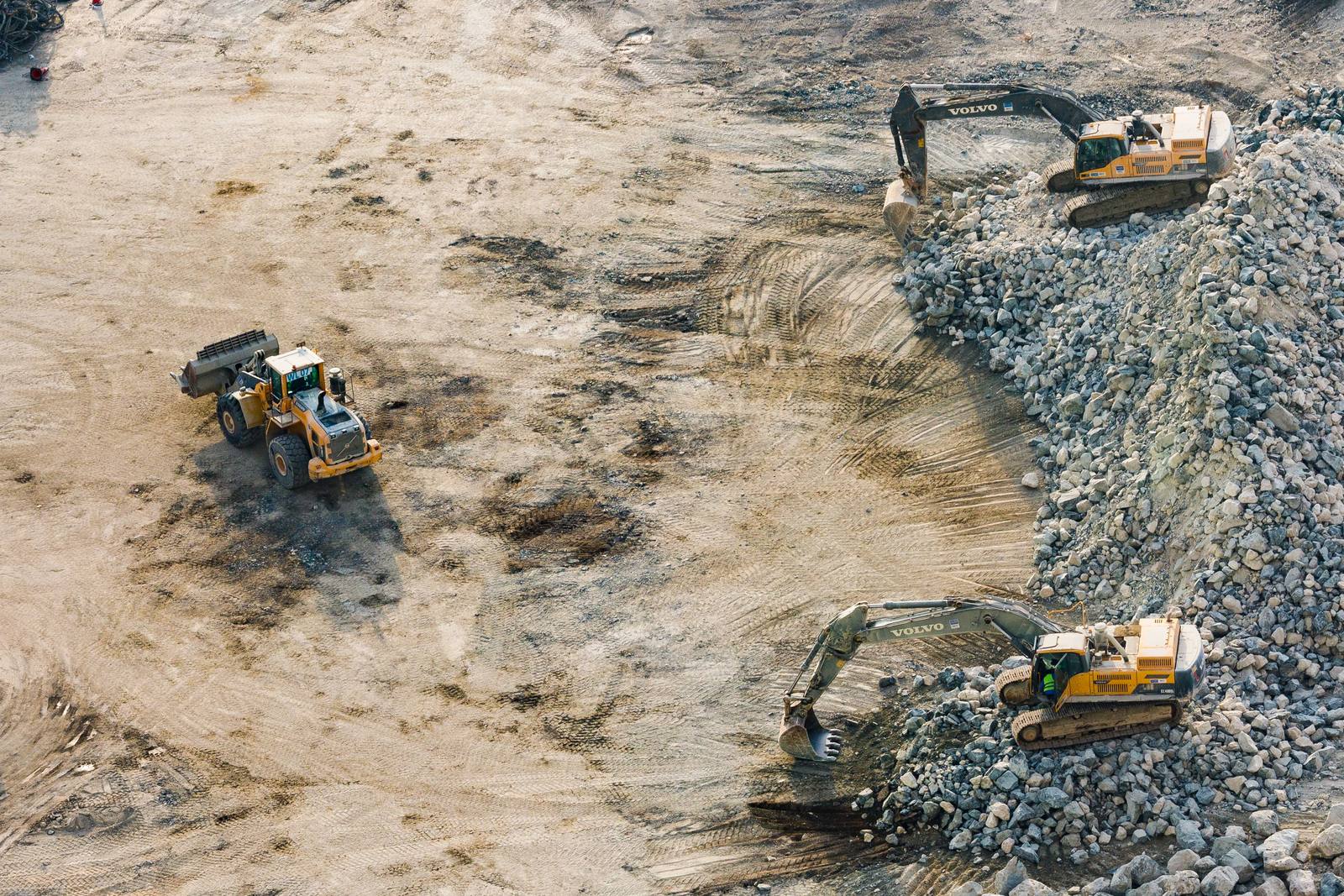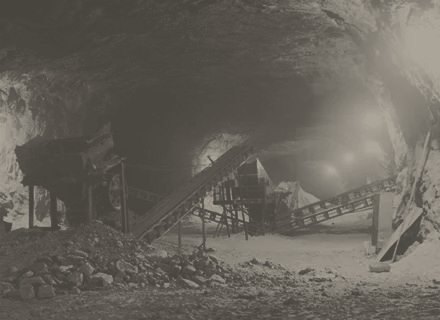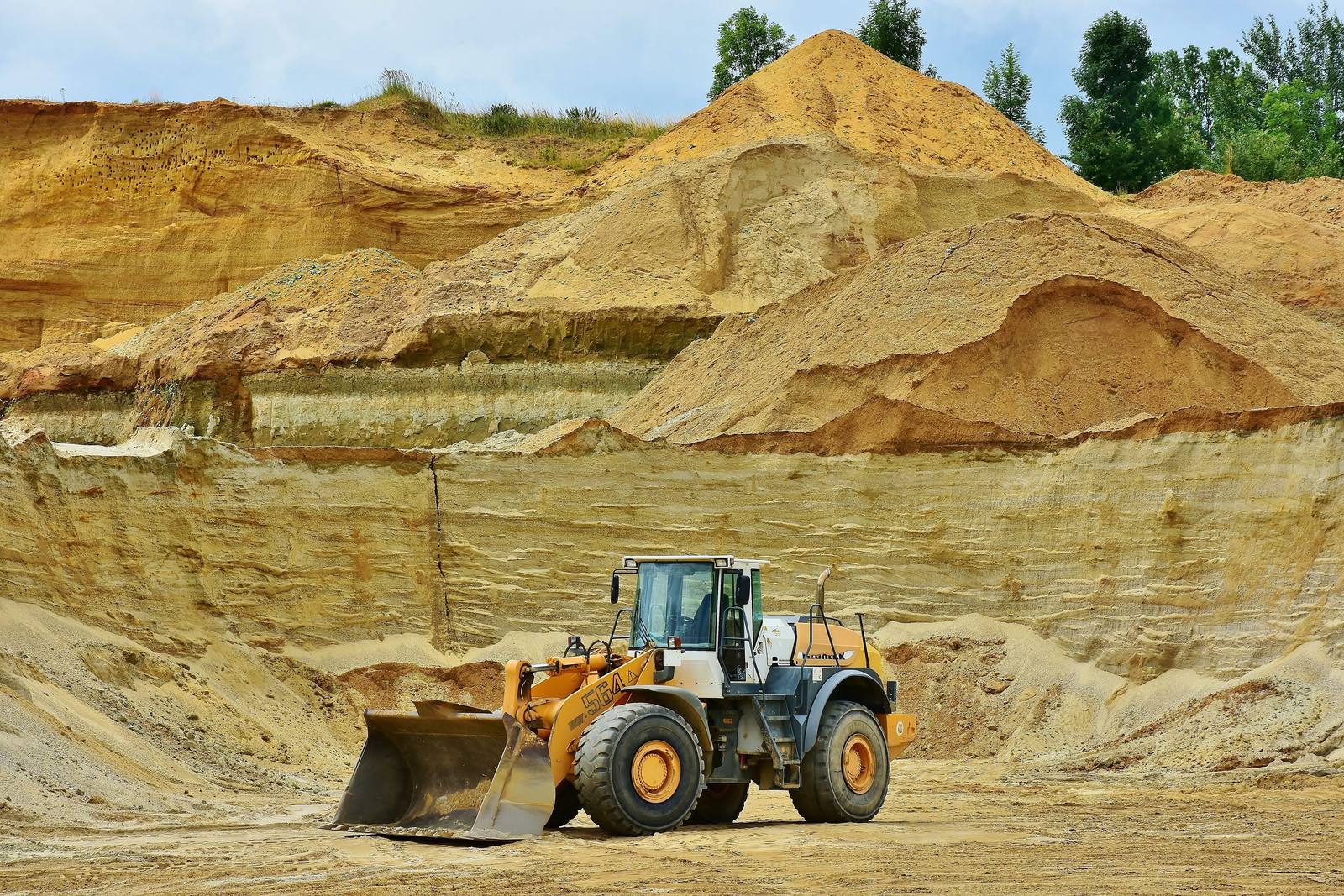
The mining industry in South Africa is a major contributor to our growth and development. Mining is one of the most significant sectors of our economy, mining provides jobs and grows our GDP. On par with the rich endowment of mineral resources in South Africa are exceptional endowments of biodiversity and ecosystems. South Africa is globally renowned as a megadiverse country with an extraordinary number of species. However, our biodiversity and environmental richness is being impacted by mining and other land uses in ways that are not sustainable.
Environmental Damage Caused by Mining
Unlike many countries, South Africa has very good quality biodiversity information which provides a sound basis for decision-making with due consideration for biodiversity. At least it should. There is often a failure to fully consider the interdependencies between mining, biodiversity and society. There is often failure to identify significant risks associated with a proposed mining project. Impacts on biodiversity affect a range of ecosystem services with implications for humans - livelihood, safety, security and health.
Environmental impact assessments are intended to facilitate informed, environmentally sound decisions before a single shovel hits the ground.
Biodiversity considerations are relevant throughout the mining life cycle - from discovery to exploration, development and production, and finally to decommissioning and closure. Mine waste is still the largest source of pollution in South Africa and the country is one of the world's largest emitters of CO² in terms of population size.
Although mining is crucial to living better lives, it does substantial harm to our landscape. There is a direct impact on our air, water, public health, wildlife and habitat, water use, land and soil use as well as global warming. The environmental impact of mining includes erosion in the environment, formation of sinkholes, loss of biodiversity, and contamination of soil, groundwater, and surface water by chemicals from mining processes. Besides creating environmental damage, the contamination resulting from leakage of chemicals also affects the health of the local population. The long-term impact on humanity could be irreparable unless strict environmental and rehabilitation procedures are followed.
Air: Mining operations generate large amounts of material waste that get dispersed by the wind into the air. Toxic particles that get released into the air are absorbed into the body, contributing to human health illnesses.
Land: Mining causes physical destruction on our land - from open pits to rock waste that significantly impact the environment. This pollution affects the fauna and flora around us.
Water: Many elements contaminate our water - metal pollutants like arsenic, cadmium, chromium, copper, nickel, lead and mercury, increased sediment levels in streams and acid mine drainage.
Biodiversity: Destruction or drastic modification of pre-mined landscapes lead to habitat loss, which further affects microorganisms, vegetation and animals. Disruption of habitat can result in extinction for plants and animals that require specific environmental conditions to survive.
Environmental Impact Studies (EIS)
When development is undertaken, there are inevitably ecological impacts. An Environmental Impact Study is used to provide a sufficient level of detail to demonstrate that a proposed development will have no negative impacts on the natural features or ecology. The purpose of an EIS is to inform the design and configuration of the development, to avoid negative impacts at the outset, and to identify appropriate mitigation and/or compensation for unavoidable impacts.
Section 24 of the Constitution of the Republic of South Africa, 1996, calls on the State to secure the right to an environment that is not harmful to health or well-being. An important part of this is understanding the impact of human activities on the environment and the health and well-being of those who live in and depend on that environment.
As a tool, EIAs are intended to facilitate informed and environmentally sound decision making. To be an effective tool in decision-making and environmental management, EIAs must predict and evaluate the impact on not only the environment, but also socio-economic conditions and cultural heritage. The EIA must fully assess alternatives and possible mitigation measures.
Do EIS Work?
Track the projects that need environmental and regulatory suppliers
AMIQ follows 2,200+ projects through their lifecycles, so environmental consultants, EIA practitioners and rehabilitation specialists know which mines are in scoping and permitting now.
See subscription plans →Experts say that too often, environmental impact assessments are tipped in favour of development. The obvious problem is the lack of objectivity: the developer pays the consultant, the consultant pays the specialist - and that creates a contrary incentive.
The Department of Environmental Affairs (DEA) acknowledges there are problems. “Despite the strides made towards an improved efficient and effective EIA system, there are criticisms and perceptions of inadequacy about the success of the current EIA system as a tool for environmental impact management,” it says. Climate change and declining environmental quality require stronger, not weaker, action. It is high time that EIAs step up to new challenges.
The Minister of Environmental Affairs, Edna Molewa, stated: “South Africa is continuously reviewing and streamlining its environmental regulatory framework. This includes reducing the administrative burden on developers and the state while ensuring the highest level of environmental protection and participation within environmental decision-making.”
Mining and the environment will continue to interact. Without the protection of our biodiversity and natural assets, there cannot be sustained long-term economic growth. Sustainable development requires that negative impacts on the environment and on people's environmental rights, be anticipated and prevented. Where these cannot be prevented, they should be minimised and remedied. Reasonable measures to prevent pollution or degradation of the environment must be taken.
ActionAid released a report on the 5th February 2019 that shows mines are seen as beneficial by only 13% of people who live in their proximity. Four out of five people see no positive impact at all and 8% said mines brought “sickness, dispossessions and damages” according to the report.
The economic benefits generated by mining cannot be ignored, but the environmental and health impacts cannot continue unabated. Our need for natural resources is increasing but are becoming more contaminated.
Benefits to Subscribing to AMIQ
AMIQ tracks over 2 000 projects across Africa. If you want to invest in mining, if you want to invest in Africa, if you provide product or services to mines in Africa, you need AMIQ intel.
Africa Mining IQ has created various analysis reports to provide you with an overview of mining projects in Africa by region, mineral type, and plant type. You can use these reports to analyse growth potential in developing commodity markets and better strategically plan your business development efforts. Africa Mining IQ provides a complete project report for each of the over 1 900 African projects we track, including everything from historical and up to the minute commentaries to contact details for suppliers, engineers and mine owners.
Contact Africa Mining IQ today on +27 11 830 2132 to target business opportunities in Africa's growing mining industry!
Frequently asked questions
What is an environmental impact study in mining?
An environmental impact study, or environmental impact assessment (EIA), evaluates the likely ecological effects of a proposed mining development before it proceeds. It examines impacts on air, land, water and biodiversity so that informed, environmentally sound decisions can be made.
Why are environmental impact studies important in South African mining?
South Africa is a megadiverse country whose biodiversity and ecosystems are affected by mining. Section 24 of the Constitution requires reasonable measures to protect the environment, and EIAs are the primary tool used to balance the economic benefits of mining against environmental harm.
How can suppliers use mining project intelligence around environmental studies?
Environmental consultants, EIA practitioners and rehabilitation specialists win work earliest when a project is in scoping and permitting. Africa Mining IQ tracks 2,200+ projects through their lifecycles so suppliers know which mines need their services and when.
Sources: South African Department of Environmental Affairs and ActionAid (2019). Published by the AMIQ editorial team.