No commodity says South Africa quite like manganese, and almost nobody talks about it. The country mined 37.6 percent of the world’s manganese ore in 2025, supplies close to two thirds of global exports by value, and sits on roughly 80 percent of known global resources, nearly all of it in one patch of the Northern Cape called the Kalahari manganese field. In 2026 the quiet giant is getting louder.
Where is South Africa’s manganese mined?
Almost all of it comes from the Kalahari manganese field around Hotazel and Kuruman in the Northern Cape, the largest known manganese deposit on earth. The ore feeds two routes out: rail to Port Elizabeth and Saldanha for export, and a smaller domestic stream into ferroalloy smelters. Steelmaking remains the demand anchor, with battery chemistries a small but watched extra.
Who are the major producers?
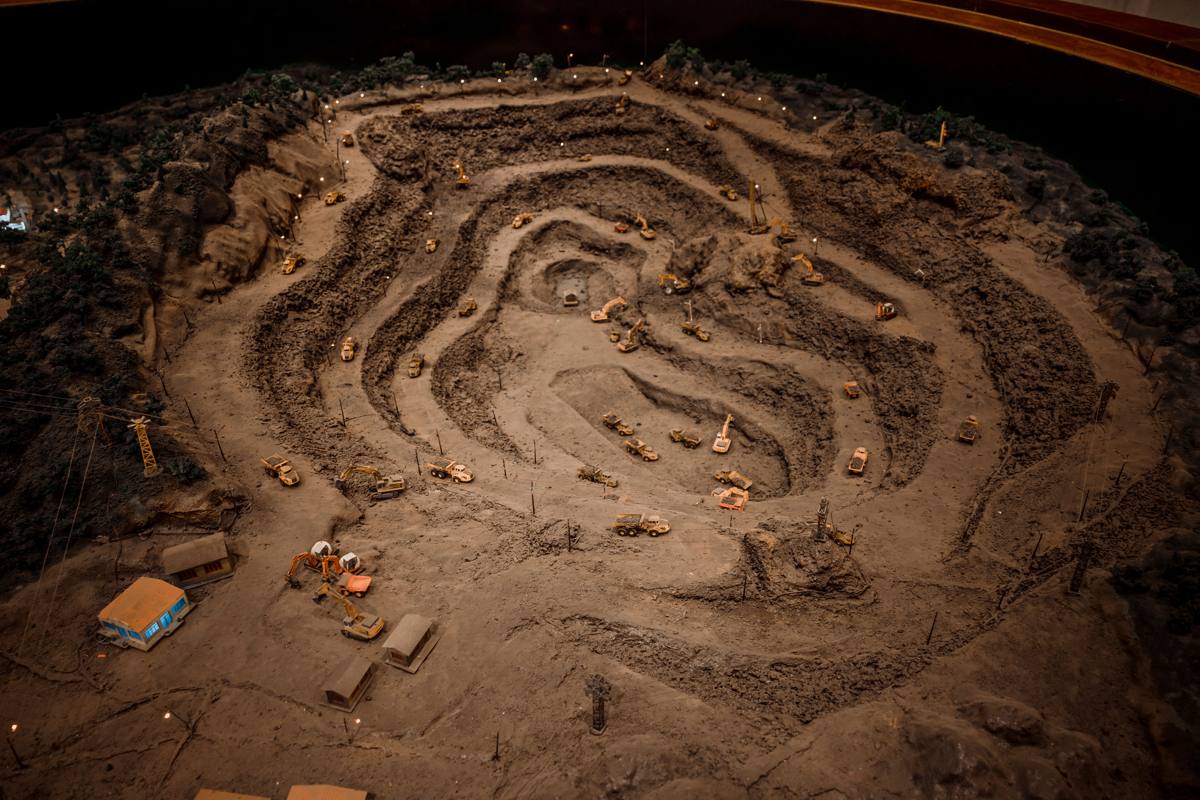
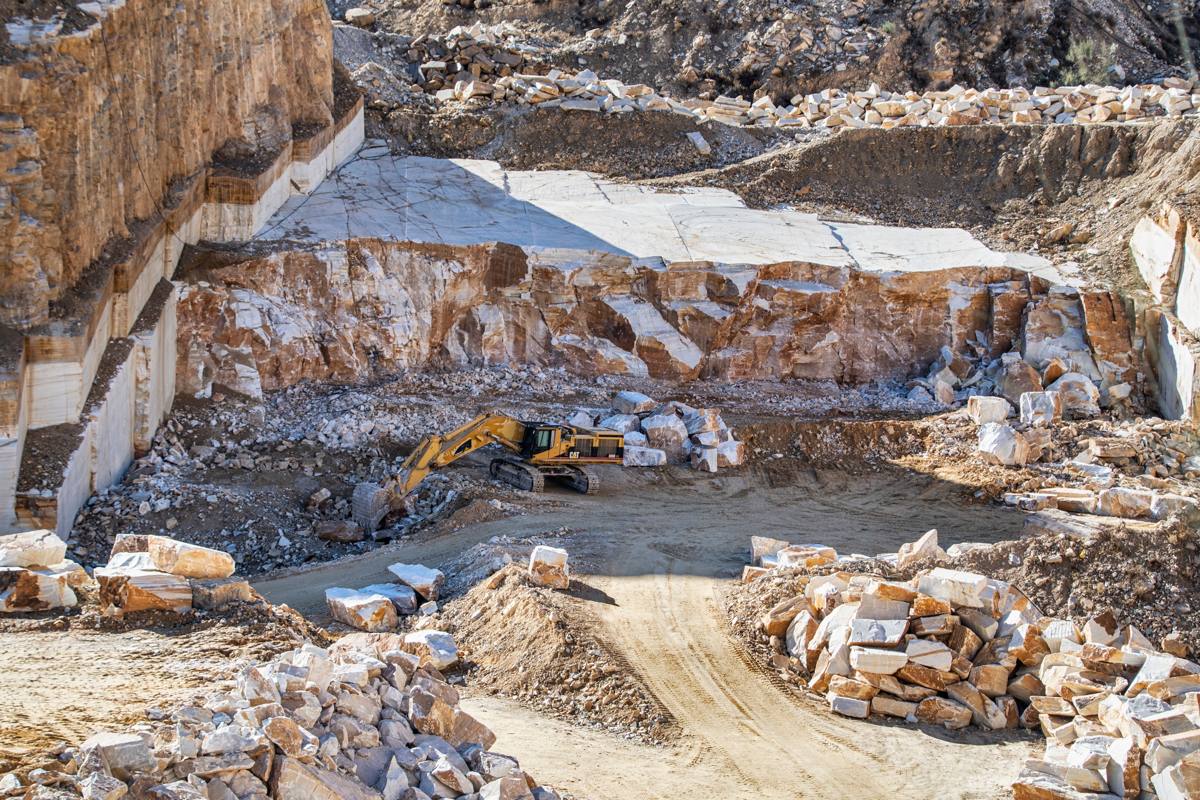
Tshipi e Ntle’s Tshipi Borwa is the country’s largest manganese mine and one of the five largest in the world, an open pit producing around 3.4 million tonnes a year. South32’s Hotazel Manganese Mines run the Mamatwan and Wessels operations. Assmang mines at Black Rock, United Manganese of Kalahari and Kalagadi Manganese round out the big names. The ownership map shifted in 2025-26 when Exxaro agreed a roughly 640 million dollar deal for controlling stakes in Tshipi Borwa and Mokala, the coal major’s first big diversification move into manganese.
The quiet giant still buys loudly
AMIQ tracks the Kalahari manganese field’s mines and expansions with verified decision-maker contacts.
What is all that manganese actually for?
Steel, overwhelmingly. Around nine tonnes in ten go into steelmaking, where manganese removes oxygen and sulphur from the melt and hardens the alloy, and no commercially viable substitute exists. That does two things to the market. It makes manganese demand a proxy for world steel output, which is why the ore price moves with construction cycles in Asia. And it makes the business unglamorous but permanent: as long as the world pours steel, it buys manganese, and South Africa holds the deepest reserves of it anywhere.
The Kalahari field ships two broad ore families: higher-grade ores of the Wessels type and lower-grade but vast Mamatwan-type ores. The grade mix matters to buyers because smelters blend for furnace chemistry, and it matters to suppliers because the lower-grade streams justify sintering and upgrading plants, another processing layer that buys equipment.
The battery question, answered honestly
Manganese-rich battery chemistries keep the commodity in critical-minerals conversations, and South Africa holds one genuine card few people know: the Mbombela plant of Manganese Metal Company, the largest producer of refined electrolytic manganese metal outside China. Battery cathodes, however, mostly want high-purity manganese sulphate, and that processing capacity sits almost entirely in China today. If battery demand materialises at scale, South Africa’s combination of ore, an existing refining skills base and the critical-minerals strategy’s beneficiation push makes it a credible location for purification plants. Until then, batteries are upside, not the business case. Steel pays the bills.
Why is 2026 a good year to be a South African manganese miner?
Because the competition is thinning. Gabon, the world’s second supplier, has signalled an export ban on unprocessed ore, and Australia’s giant GEMCO mine has about five years of life left. Forecasters expect South African production to rise in 2026 with prices holding roughly flat, which in a bulk commodity is a win. Rail is improving too: Transnet signed ten-year manganese export agreements with UMK in July 2025 and South32 in August 2025, and targeted five million tonnes of manganese through Saldanha in the 2025-26 year, with record-length manganese trains already running the corridor.
What could spoil it?
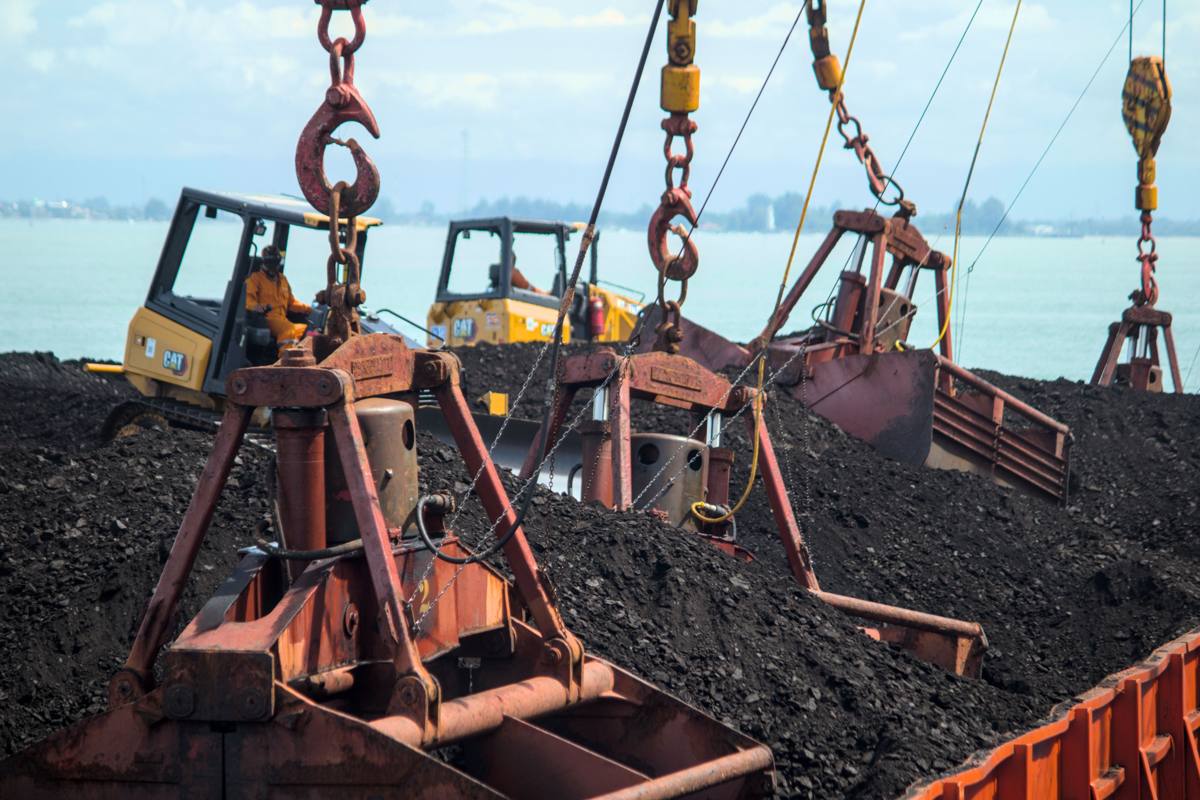
Logistics and beneficiation policy. The Kalahari field can produce far more than the rail network can move, and the overflow travels by road, a thousand-kilometre truck run that erodes margins, highways and goodwill in the towns along the way. Every tonne shifted from truck to train changes the economics, which is why the ten-year rail agreements matter more than any price forecast, and why port capacity on the manganese corridors is a story worth following in its own right.
The perennial policy question is whether more ore should be smelted locally into ferroalloys. Smelters are power-hungry, and electricity tariffs have pushed the industry the other way for a decade. Watch the balance between export rail capacity and any new processing requirements.
What this means for suppliers
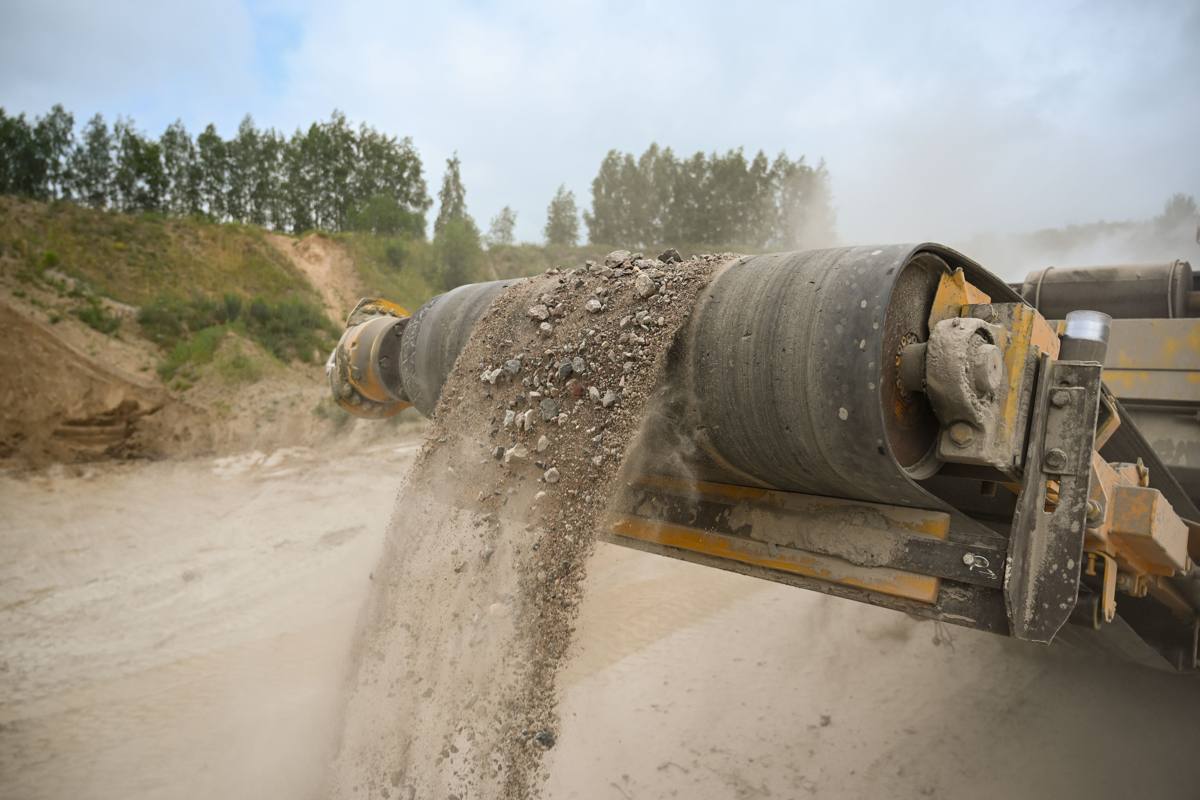
Manganese is the steadiest big-tonnage business in South African mining, and its producers spend continuously: open-pit fleets, crushing and screening, rail loadout, dust and water management. The Exxaro entry and the Transnet agreements point to expansion, not maintenance. Getting known in the Kalahari field now positions you for the decade in which South Africa’s share of world supply grows. AMIQ tracks 2,200+ African mining projects with verified owner and engineer contacts, the manganese field included. Join at AMIQ, and see manganese mining in South Africa for the full operation-by-operation picture.
Frequently asked questions
How much of the world’s manganese comes from South Africa?
South Africa produced 37.6 percent of the world’s manganese ore in 2025 and accounts for over 64 percent of global exports by value. Roughly 80 percent of known global resources sit in its Kalahari manganese field.
What is the biggest manganese mine in South Africa?
Tshipi Borwa, near Hotazel in the Northern Cape, an open pit producing around 3.4 million tonnes a year and ranked among the five largest manganese mines in the world.
Why did Exxaro buy into manganese?
Diversification away from coal. Exxaro agreed a deal of about 640 million dollars for controlling stakes in the Tshipi Borwa and Mokala mines, buying into a commodity where South Africa’s global share is set to grow.
What is manganese used for?
About nine tonnes in ten go into steelmaking, where manganese removes oxygen and sulphur and hardens the alloy, with no commercial substitute. The rest goes into aluminium alloys, chemicals and, in growing but still small volumes, battery cathodes.
Does South Africa produce battery-grade manganese?
It produces refined electrolytic manganese metal at Manganese Metal Company’s Mbombela plant, the largest such producer outside China. High-purity manganese sulphate for cathodes is still processed mainly in China, which is the gap local beneficiation plans aim at.