Africa’s mining investment map has reorganised itself into three tiers: mega-capex corridors where tens of billions are already committed, stable jurisdictions quietly winning the capital that risk repriced away from elsewhere, and high-grade countries where politics sets the discount. Knowing which tier a country sits in matters more than any single project number. Here is the map as it stands in mid-2026.
Where are the biggest mining investment opportunities in Africa?
The DRC-Zambia Copperbelt and Guinea’s Simandou carry the largest committed capital, upwards of 30 billion dollars combined. For new entrants, the Fraser Institute’s 2025 survey points to Botswana, Morocco, Zambia, Tanzania and Cote d’Ivoire as Africa’s most attractive jurisdictions.
Tier one: the mega-corridors
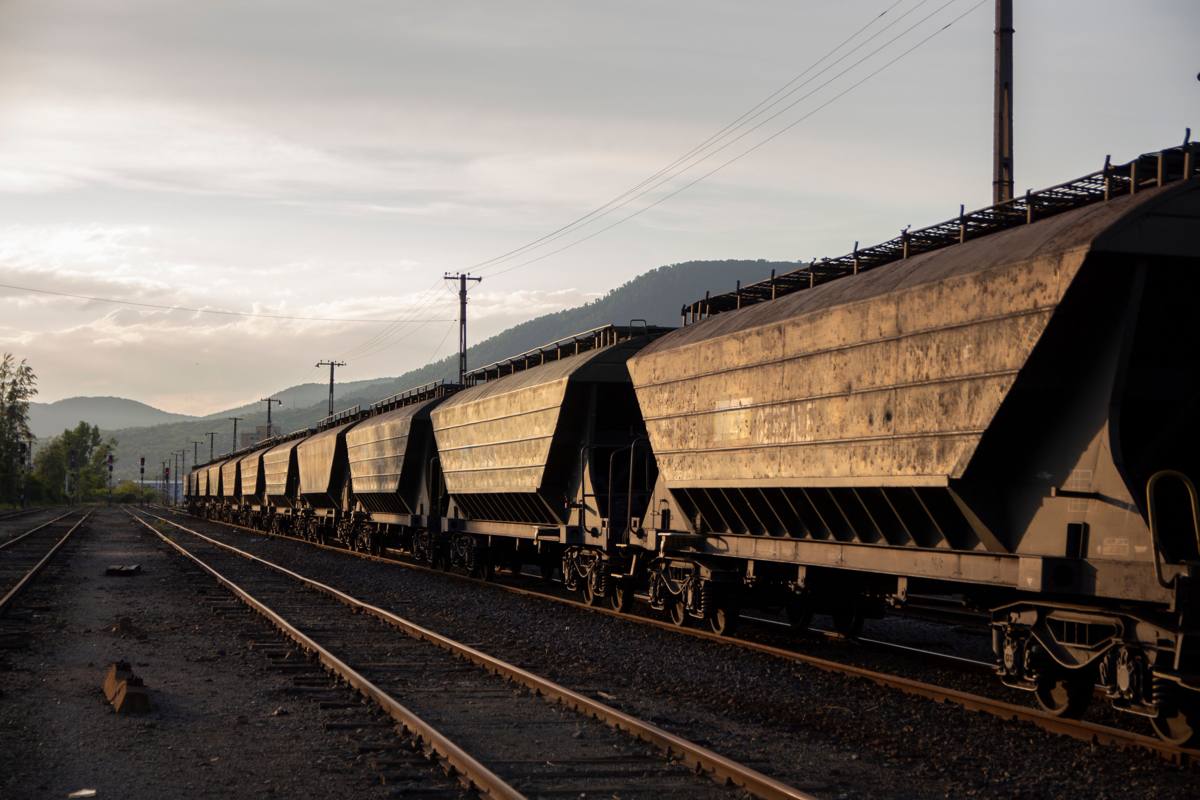
The DRC’s Kamoa-Kakula produced 388,838 tonnes of copper in 2025, started up Africa’s largest copper smelter, and carries 1.1 to 1.4 billion dollars of 2026 capex on its way to roughly 500,000 tonnes a year from 2028. Next door, Kipushi is ramping toward the world’s third-largest zinc mine. Zambia hit a record 890,346 tonnes of copper in 2025, with Barrick’s 2 billion dollar Lumwana super pit doubling output from 2028, First Quantum’s 1.25 billion dollar Kansanshi expansion already delivering, and UAE and Indian capital reviving Mopani and Konkola. Guinea’s Simandou, at 20 billion dollars plus for mine, 600 kilometres of railway and port, shipped first ore in late 2025 and ramps toward 120 million tonnes a year. And the corridors themselves are investable events: the 753 million dollar Lobito rail financing closed in June 2026, cutting Copperbelt export transit from 16 days toward 7, while China’s 1.4 billion dollar TAZARA revival answers from the east. Rail is quietly repricing every orebody within reach.
Tier two: the stable-jurisdiction builders
Botswana ranks first in Africa and seventh globally on investment attractiveness even while its diamond revenue collapses, and its pivot asset is copper: MMG’s 900 million dollar Khoemacau expansion targets 130,000 tonnes a year from 2028. Namibia rides the uranium price past 100 dollars a pound with Langer Heinrich back at full production, CNNC-backed Etango under construction, and 3.8 billion dollars of uranium projects tracked. Cote d’Ivoire reclaimed West Africa’s top investment ranking, and the money followed: Montage’s fully funded 835 million dollar Kone build, first gold now expected late 2026, and Endeavour’s 1.06 billion dollar Assafou. Tanzania advances Kabanga, arguably the world’s best undeveloped nickel deposit, toward a mid-2026 investment decision, alongside Perseus’s 523 million dollar Nyanzaga gold build. Ghana added Newmont’s Ahafo North to a four-mine wave. Morocco’s OCP is spending over 5 billion dollars in 2026 alone on phosphate capacity, and Egypt drew AngloGold’s 2.5 billion dollar Centamin takeover.
Invest and sell with the full map
AMIQ tracks the projects behind every tier, from mega-corridors to repriced risk, with verified contacts.
Tier three: high grade, repriced risk
The Sahel holds some of Africa’s best gold geology and its worst investment rankings. Burkina Faso nationalised five gold assets and sits 67th of 68 in the Fraser survey. Mali extracted a 430 million dollar settlement from Barrick before returning control of Loulo-Gounkoto in December 2025, and Niger stripped Orano’s uranium licence. Yet capital has not fled entirely: West African Resources poured first gold at Kiaka in mid-2025, on schedule, and Mali’s output should rise 28 percent in 2026 on the Barrick restart. Zimbabwe belongs here too, with a twist: its 2027 concentrate export ban has forced over 1.3 billion dollars of Chinese lithium plant construction, and Tharisa’s 499 million dollar Karo platinum build continues. High grade always finds a price. The question is who carries the political risk premium.
Who is actually writing the cheques?
The financing stack behind the map has changed as much as the map itself. Western development finance is back in size, with American money anchoring the Lobito corridor. Gulf sovereign capital arrived abruptly, taking Mopani and hunting for more. Chinese policy banks and contractors remain the quiet constant, funding and building from TAZARA to Zimbabwe’s lithium plants. Between them sit the specialists: streaming and royalty companies funding mid-tier builds against future production, and commodity traders extending prepayment finance that turns offtake into construction capital. For investors, the lesson is that the cheapest capital now follows strategic minerals, not just good grades. For suppliers, every one of these financiers brings its own procurement habits, and knowing whether a build is funded from Washington, Abu Dhabi or Beijing tells you a great deal about who will win its contracts.
How to read a mining code change
Most of the risk repricing in tier three arrived through law, not violence, so the skill worth having is reading a code revision quickly. Four clauses do most of the damage or the good. The state free-carry percentage sets how much of a project the government takes without paying. Stability clauses decide whether today’s fiscal terms survive tomorrow’s politics. Local content rules define what must be bought in-country, which is a threat to foreign suppliers and an opening for anyone with local partners. And export restrictions on raw material, Zimbabwe’s lithium rule being the live example, force processing investment onshore, punishing miners while creating construction markets. A code change that spooks the equity market often creates supplier opportunity in the same clause.
When to enter: the project clock
Tiers say where. The project clock says when. Investors do best entering at study phases, when capital is scarce and ounces are cheap, which points at tier two’s pipeline and tier three’s discounts. Suppliers earn first revenue at the construction decision, which makes the fully funded builds, the ones with named EPCs and dates, the priority list. And the operations phase, where tier one’s giants live, pays the longest: consumables, maintenance and replacement equipment for decades. Matching your entry to the clock matters more than picking the fashionable country, and the projects moving between phases right now are exactly what AMIQ’s phase tracking exists to show.
Where does South Africa fit?
Between tiers, and drifting toward opportunity. Policy perception keeps it in the Fraser bottom ten, exploration spend has fallen seven straight years, yet the PGM price recovery and Transnet’s improving rail have reopened specific doors: Ivanhoe’s Platreef ramping toward becoming a major PGM producer, Orion’s Glencore-backed Prieska copper restart, and the Waterberg PGM project awaiting its construction call. The detail sits in our investment trends analysis and on new mining projects in South Africa.
What this means for suppliers and investors
Tier one buys logistics, plant and power at enormous scale but through established procurement chains. Tier two is where new supplier relationships form, because builds like Kone, Khoemacau and Nyanzaga are assembling their vendor lists now. Tier three rewards those with appetite and local partners. Wherever you play, the edge is knowing who owns what and who is actually spending. AMIQ tracks 2,200+ African mining projects with verified owner and engineer contacts across all three tiers. Join at AMIQ, or start with mining in Africa.
Frequently asked questions
Which African country is best for mining investment?
Botswana leads the Fraser Institute’s 2025 rankings, seventh globally, on policy stability and mineral potential, followed in Africa by Morocco, Zambia and Tanzania. Cote d’Ivoire leads West Africa. The ranking rewards predictability, which is what long-life capital pays for.
What is the biggest mining project in Africa?
Simandou in Guinea: an integrated iron ore mine, railway and port complex costing over 20 billion dollars, which shipped its first ore in late 2025 and ramps toward 120 million tonnes a year, the largest greenfield mining build of the decade.
Why does infrastructure matter so much for African mining?
Because transport, not geology, sets the margin on bulk and base metals. The Lobito corridor cuts Copperbelt export transit from around 16 days toward 7, and rail access decides whether coal, iron ore, manganese and copper projects clear their cost of capital.
Is West Africa safe for mining investment?
It has split. Cote d’Ivoire and Ghana attract fully funded builds with conventional risk. Mali, Burkina Faso and Niger have nationalised assets and rewritten codes, and now trade at a steep risk discount that only high-grade projects can absorb.
Who finances African mining projects now?
A wider mix than a decade ago: Western development finance on strategic corridors, Gulf sovereign capital, Chinese policy banks and contractors, streaming and royalty companies on mid-tier builds, and commodity traders extending prepayment finance against offtake.