Kumba Iron Ore is the most profitable simple idea in South African mining: dig ore that is naturally richer than everyone else’s, rail it 861 kilometres to a dedicated port, and collect a premium on every tonne. In 2025 that idea earned R31.9 billion of EBITDA at a 46 percent margin. The next three years test whether engineering can widen the premium faster than new global supply erodes it.
Who is Kumba Iron Ore?
A JSE-listed producer, about 70 percent held by Anglo American, operating two Northern Cape mines: Sishen and Kolomela. It produced 36.1 million tonnes in 2025 and sold 37 million, exporting mainly to China, Japan, South Korea and Europe through Saldanha Bay. Under the pending Anglo-Teck merger, Kumba stays in the portfolio.
The operations
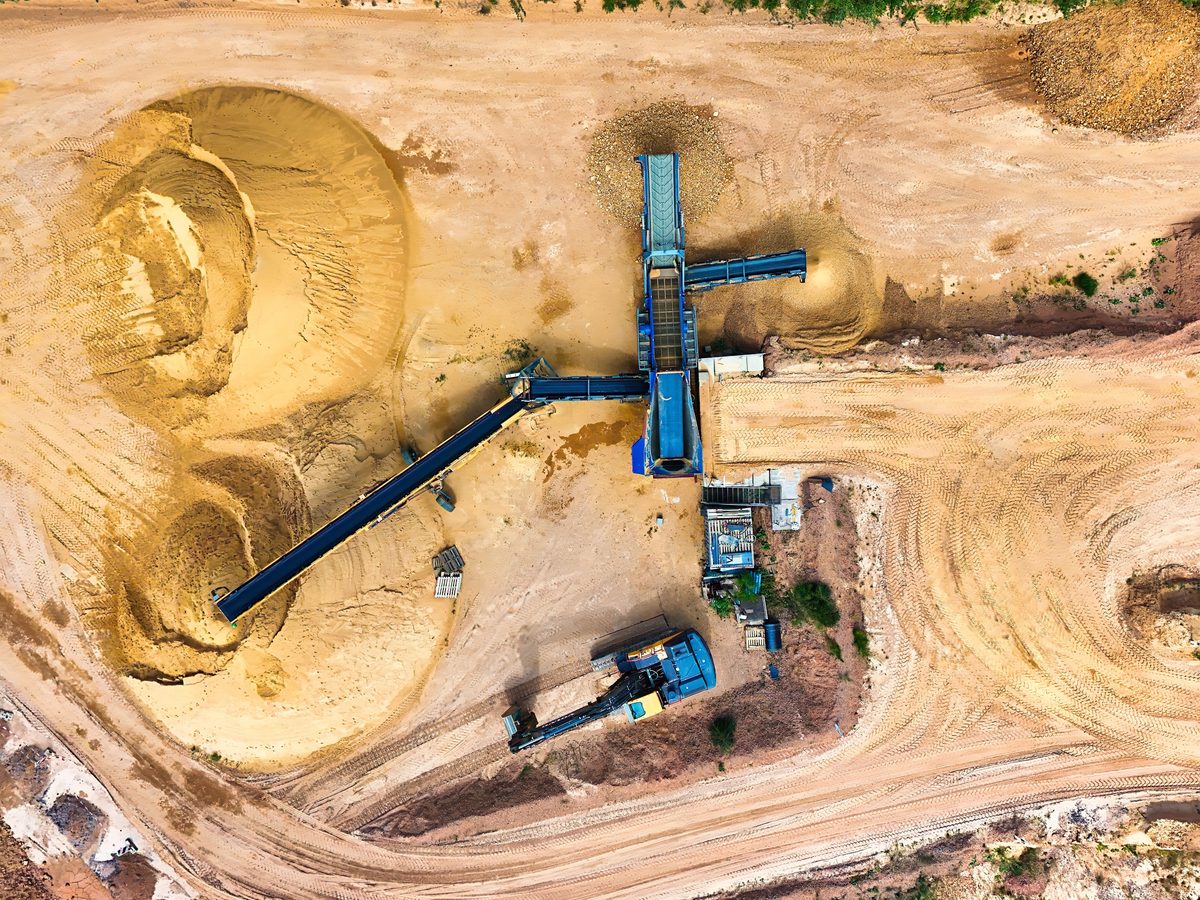
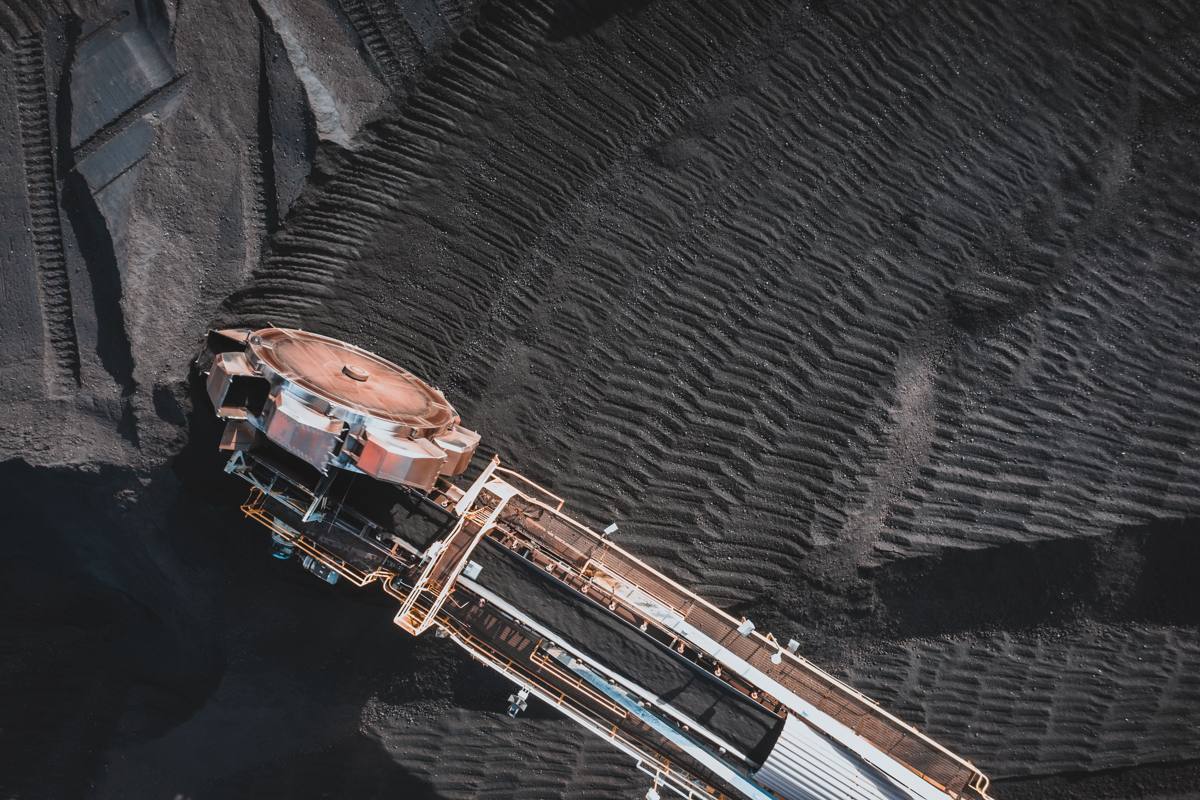
Sishen is the engine: 25.3 million tonnes in 2025 from an orebody running 14 kilometres along strike, at the cost of moving 137 million tonnes of waste with a fleet of 81 ultra-class trucks. Kolomela added 10.8 million tonnes, up 7 percent. Both mines’ lives now extend to 2041, with reserves around 800 million tonnes. The product is the point: roughly 64 percent iron with a high lump fraction, against a 62 percent fines benchmark. That quality gap is why Kumba realised 95 dollars a tonne in 2025 when the benchmark averaged 85, a 12 percent premium that flows almost straight to margin. Higher iron and more lump mean better blast-furnace efficiency and lower emissions per tonne of steel, which steelmakers increasingly pay for. The commodity context sits in our iron ore in South Africa review and on the Kumba company page.
What is the UHDMS project?
Kumba’s R11.2 billion bet that beneficiation beats expansion. Ultra-high dense media separation raises the density of the ferrosilicon medium in Sishen’s plant from about 3.6 to above 4.0, using gas-atomised spherical particles to keep the slurry workable. A sharper density cut separates ore from waste far more precisely, which does three things at once: lifts the premium share of Sishen’s output from about 18 percent to 55 percent, drops the cut-off grade from 48 to 40 percent iron so previously discarded material becomes ore, and improves the strip ratio from 3.9 to 3.3, cutting waste mining by around 15 million tonnes a year. The main plant tie-in lands in the second half of 2026, which is why guidance dips to 31 to 33 million tonnes this year before recovering to 35 to 37 from 2027. Full capacity comes at the end of 2028, and the project can stretch Sishen’s life to 2044.
Sell into Kumba’s supply chain
AMIQ tracks Kumba’s operations and the projects around them, with verified contacts for the people who run them.
How big is the Transnet problem?
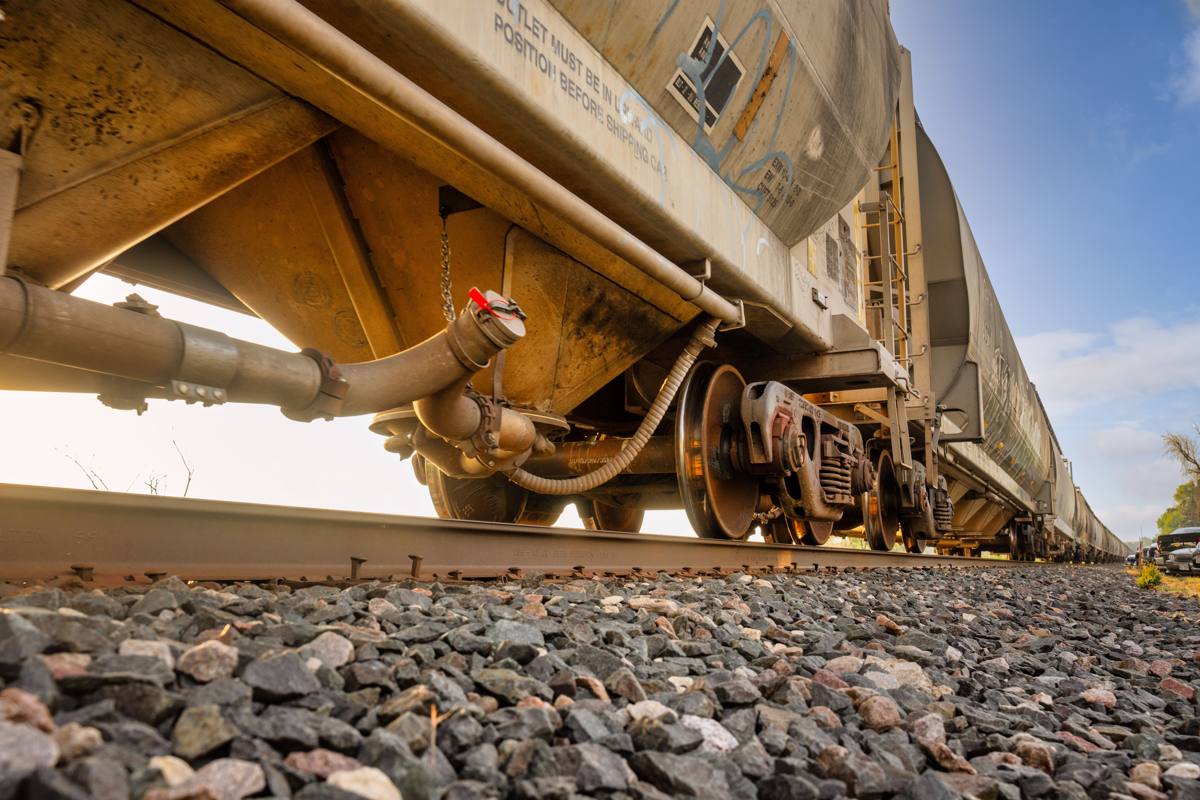
Structural, priced in, and slowly improving. Every tonne moves on the state-owned iron ore corridor to Saldanha in 342-wagon trains, and Kumba plans around what the railway can actually carry, holding 7.5 million tonnes of finished stock as a buffer, deliberately shifted toward the port. Derailments and a February 2026 washaway still cost tonnes, and Kumba’s results even include penalty income from Transnet. The upside case is real but incremental: private-operator reforms and maintenance are recovering national rail volumes, and every extra million tonnes railed is nearly pure margin. Rail, not ore, remains the binding constraint on South African iron ore.
What about Simandou?
Guinea’s giant started shipping in late 2025 and ramps toward 120 million tonnes a year of ore at grades around 65 percent, aimed at exactly the premium segment Kumba serves. That is the bear case. The counterpoints: Simandou validates the market’s shift toward high grade, global supply of premium ore remains scarce relative to green-steel ambitions, and Kumba’s answer is more premium tonnes at lower cost rather than volume growth. The premium may compress. Kumba is engineering its way to owning more of whatever premium remains.
What this means for suppliers
Kumba spends where its strategy points: beneficiation plant, fleet reliability, and anything that protects rail throughput. The UHDMS construction runs to 2028, both mines carry life-extension work to 2041, and a company earning 46 percent margins funds its maintenance properly. It is also a barometer: R58 billion of value flowed to stakeholders in 2025, much of it through Northern Cape procurement. AMIQ tracks 2,200+ African mining projects with verified owner and engineer contacts, Sishen and Kolomela included. Join at AMIQ, and see mining in the Northern Cape for the regional picture.
Frequently asked questions
Who owns Kumba Iron Ore?
Anglo American holds about 70 percent, with the rest free-floating on the JSE. Kumba in turn owns 76.3 percent of the operating company, Sishen Iron Ore Company, alongside empowerment shareholders. It remains part of the group through the Anglo-Teck merger.
Where are Kumba’s mines?
Both in the Northern Cape: Sishen near Kathu and Kolomela near Postmasburg. Ore travels 861 kilometres on a dedicated Transnet rail line to Saldanha Bay, South Africa’s only dedicated iron ore export port.
How much iron ore does Kumba produce?
36.1 million tonnes in 2025. Guidance for 2026 is 31 to 33 million tonnes, deliberately lower while the UHDMS plant ties in, then back to 35 to 37 million tonnes a year for 2027 and 2028.
Why does Kumba’s ore earn a premium?
It averages about 64 percent iron with a high lump share, versus the 62 percent benchmark. Richer ore and lump improve furnace efficiency and cut emissions per tonne of steel, so buyers paid Kumba 95 dollars a tonne in 2025 against an 85 dollar benchmark.