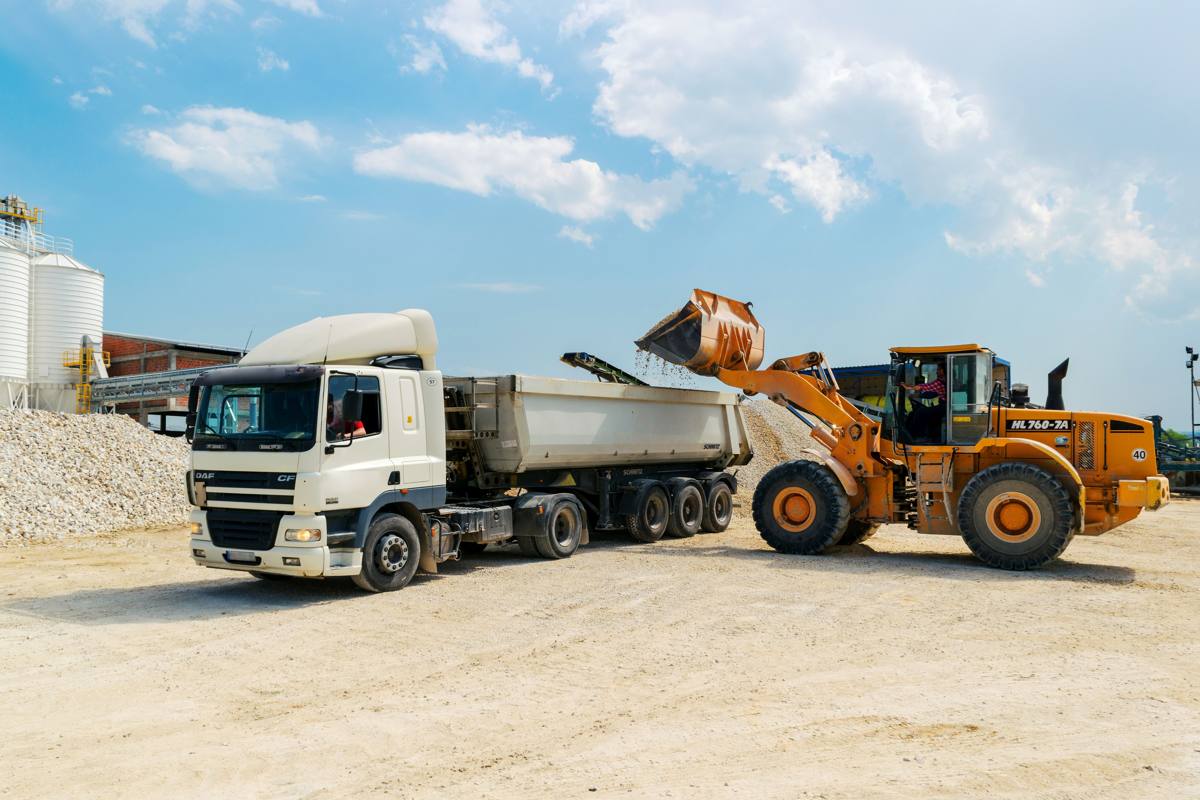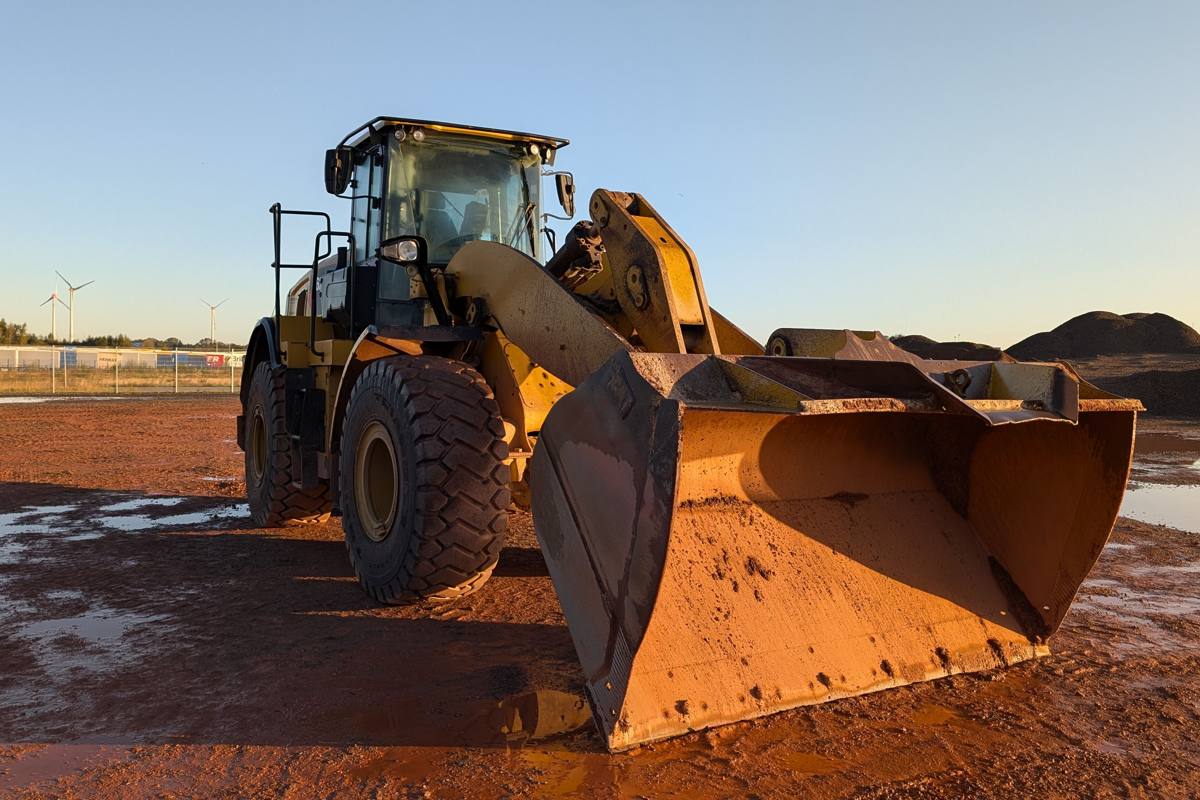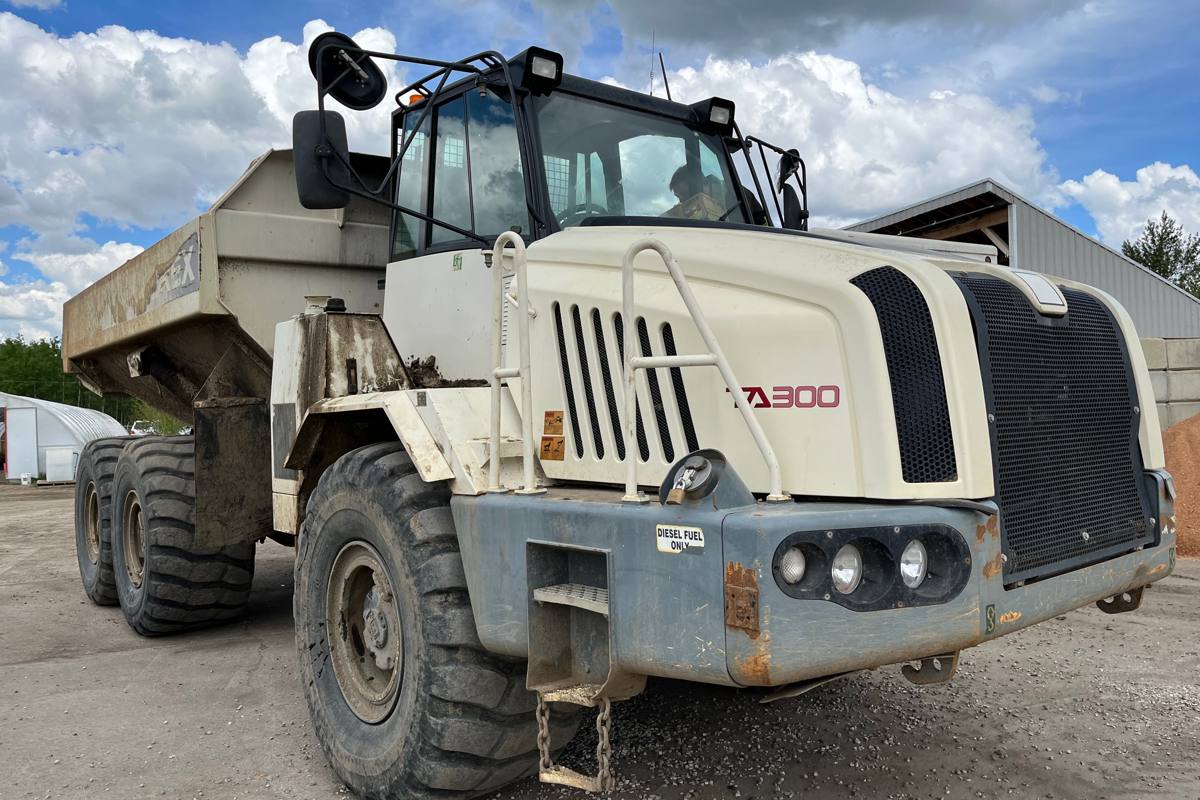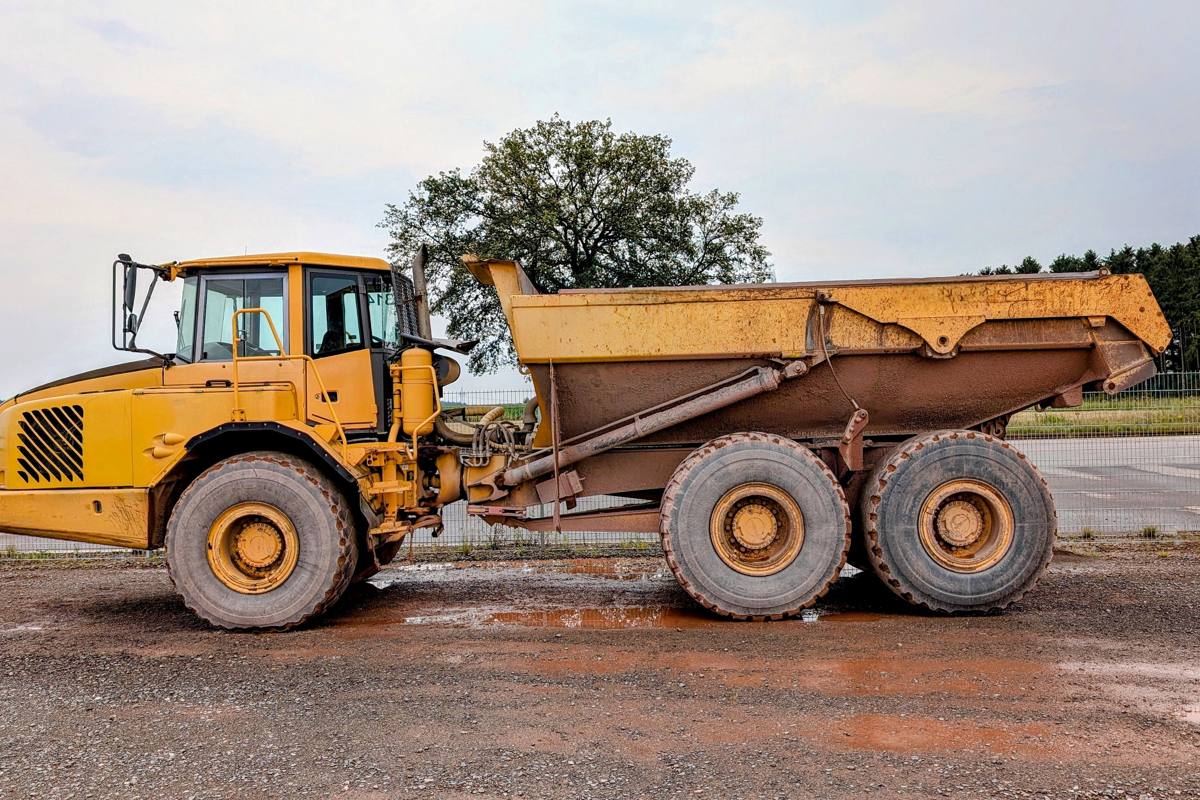
A large share of African mining is not done by mining companies. Contract miners drill, blast, load and haul at hundreds of operations, specialist firms sink the shafts and build the plants, and service contractors keep it all running. The contractor economy is where much of the industry’s money actually changes hands, and it is organised in layers that are worth understanding whether you compete in it, sell into it, or hire from it.
What do mining contractors actually do?
Everything an owner chooses not to do itself: full contract mining where the contractor runs the pit or the underground section, specialist work like shaft sinking, raiseboring and grade control drilling, construction of plants and infrastructure, and operational services from crushing to camp management.
The layers of the contractor market
At the top sit the full contract miners, firms that bring their own fleets and crews and deliver tonnes at an agreed rate. Owners use them where mine life is short, capital is scarce, or flexibility beats ownership: most West African gold mines run this way, and so do many smaller southern African pits. Below them, the specialists own narrow, deep capabilities: shaft sinking and access development, where South African firms built a global reputation on the world’s deepest mines, drilling contractors across every category from exploration to dewatering, and raisebore, backfill, winder and ventilation specialists. Then come the construction contractors who build the plants, usually under an EPCM firm’s management, and finally the operational service layer: maintenance crews, conveyor and rigging teams, laboratories, camps and logistics. Each layer has different customers, margins and risks, and companies regularly occupy several at once.
Why owners contract out at all
The decision is financial before it is technical. Contract mining converts capital cost into operating cost: no fleet purchase, no workshop, no 2,000-person payroll, which suits a ten-year mine far better than a forty-year one. It prices flexibility, since contractors can be demobilised when prices fall, as brutally demonstrated across the PGM belt in 2023-24. And it rents competence: a new mine in a new country can import an experienced operation overnight. The trade-off is margin leakage and dependence, which is why the biggest, longest-life mines, the Sishens and Impala Rustenburgs, mostly mine for themselves while contracting the specialist edges. The same logic, seen from the buying side, appears in how mining procurement actually works.
Contractors need pipelines too
AMIQ shows contract miners which projects are coming and who awards the work, verified at the source.
What is changing in the contractor economy
Three shifts, all visible in current projects. Localisation: mining codes across Africa increasingly require in-country contracting or partnerships, so international firms arrive through joint ventures and local firms climb the layers faster than they used to. Consolidation at the top: the big contract miners keep getting bigger because fleet capital and safety systems favour scale. And the energy build-out: renewable construction at mine sites, from the Mpumalanga wind cluster to Zimbabwean solar, has opened a parallel stream of work that mining-region contractors are winning, as covered in renewables at African mines. Meanwhile the contractor market inherits the industry’s cycles with leverage: when a mine pauses, like Venetia in 2026, the contractor workforce absorbs the first and largest share of the pain.
How to choose, and how to compete
Owners choosing contractors weigh safety record first, then demonstrated performance on comparable ground, then rate. Contractors competing for work win on exactly those, plus balance-sheet strength for the fleet and the local credentials the jurisdiction demands. For both sides, the scarce commodity is information about what is coming: which projects are approaching the stage where mining, construction or services get contracted, and who decides. That pipeline visibility is the difference between bidding reactively and building a book deliberately.
What this means for suppliers
Contractors are customers too, and often better ones than the mines: they buy fleets, parts, tyres, drilling consumables and services continuously, across many sites, with faster decisions. Selling into the contractor layer multiplies your reach across every operation they serve. AMIQ tracks 2,200+ African mining projects with verified owner and engineer contacts, the demand map for the entire contractor economy. Join at AMIQ, and see mining services and engineering companies for adjacent layers.
Frequently asked questions
What is contract mining?
An arrangement where a specialist firm mines the deposit on the owner’s behalf, providing fleet, people and systems for an agreed rate per tonne or fixed fee. The owner keeps the orebody and the product, the contractor carries the operational machinery.
Why do mines use contractors instead of their own staff?
To avoid fleet capital, gain flexibility over the cycle, and import experience quickly. Shorter-life and smaller mines benefit most. Long-life giants usually operate themselves and contract only specialist work like shaft sinking and major maintenance.
What is the difference between EPCM and contract mining?
EPCM firms engineer and manage the construction of plants and infrastructure. Contract miners operate the mining itself once built. A project often uses both at different stages, and both control significant procurement.
How do I find contractor opportunities in African mining?
Track projects, not adverts. New builds, expansions and stage changes generate contracting demand months before formal tenders. Project intelligence platforms map who owns and engineers each project so contractors can engage while scopes are still being defined.