Secunda is the strangest industrial asset in Africa: a plant that turns coal into petrol at a scale attempted nowhere else on earth, built as an apartheid-era sanctions shield, now simultaneously South Africa’s fuel-security anchor, its largest single climate liability, and the economic heart of a town of 40,000. In 2026 it posted its best production in five years while its long-term feedstock quietly runs out. Both facts matter.
What does Sasol Secunda actually do?
It gasifies coal into synthesis gas and converts it through Fischer-Tropsch chemistry into petrol, diesel, jet fuel and LPG, plus the chemicals behind fertiliser, explosives and plastics. Capacity is about 150,000 barrels a day of fuel equivalent, roughly a quarter to a third of South Africa’s liquid fuels.
The machine and its appetite
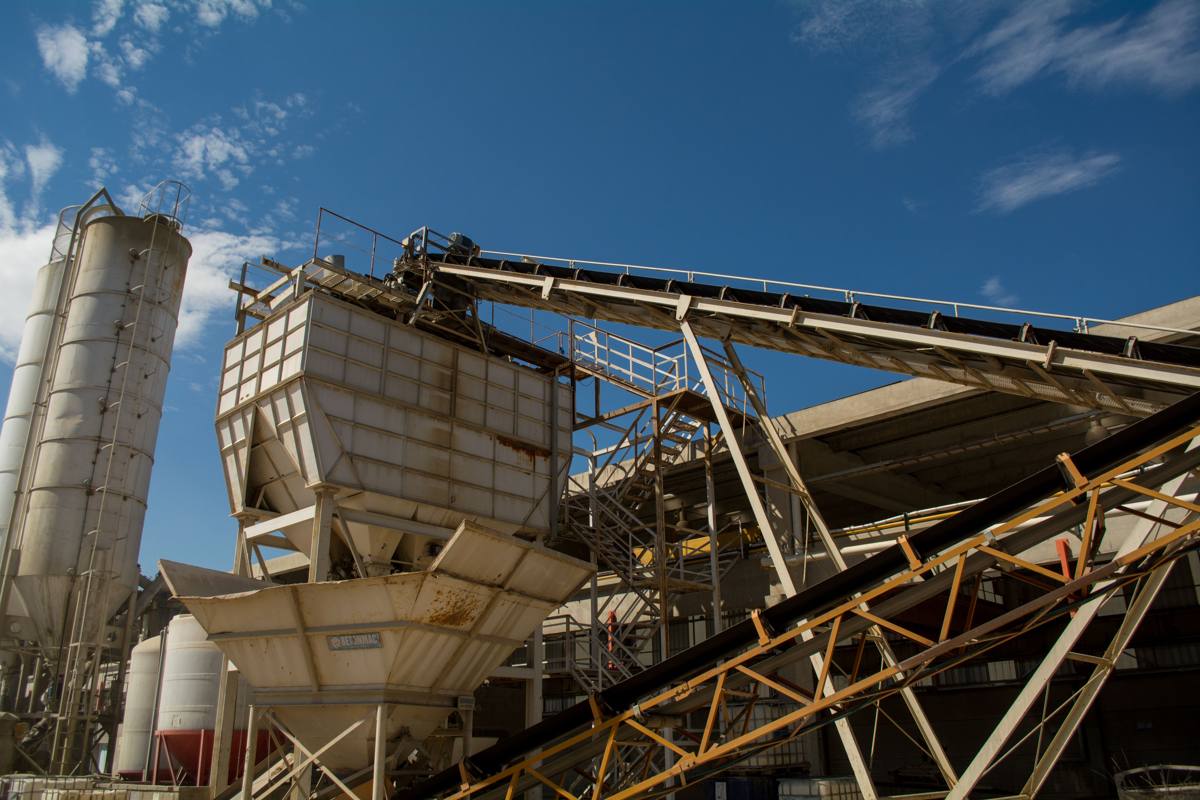
The numbers are industrial science fiction. Eighty-four gasifiers, of which about 74 run at any time. Nine synthol reactors. The world’s largest oxygen production site feeding them. And upstream, an entire captive coal district: Sasol’s Secunda collieries produced 28.2 million tonnes in the 2025 financial year, supplemented by 10 million tonnes bought in. Built from 1976 and onstream in 1980 and 1982 after the oil shocks, Secunda exists because embargoed South Africa needed petrol from the one thing it had in abundance. That history still defines the stakes: the complex and its value chains support tens of thousands of jobs, with around 24,000 direct at the site, 4,000 more in the mines, and about 80 percent of Secunda town economically dependent on it.
Why did production slump, and what fixed it?
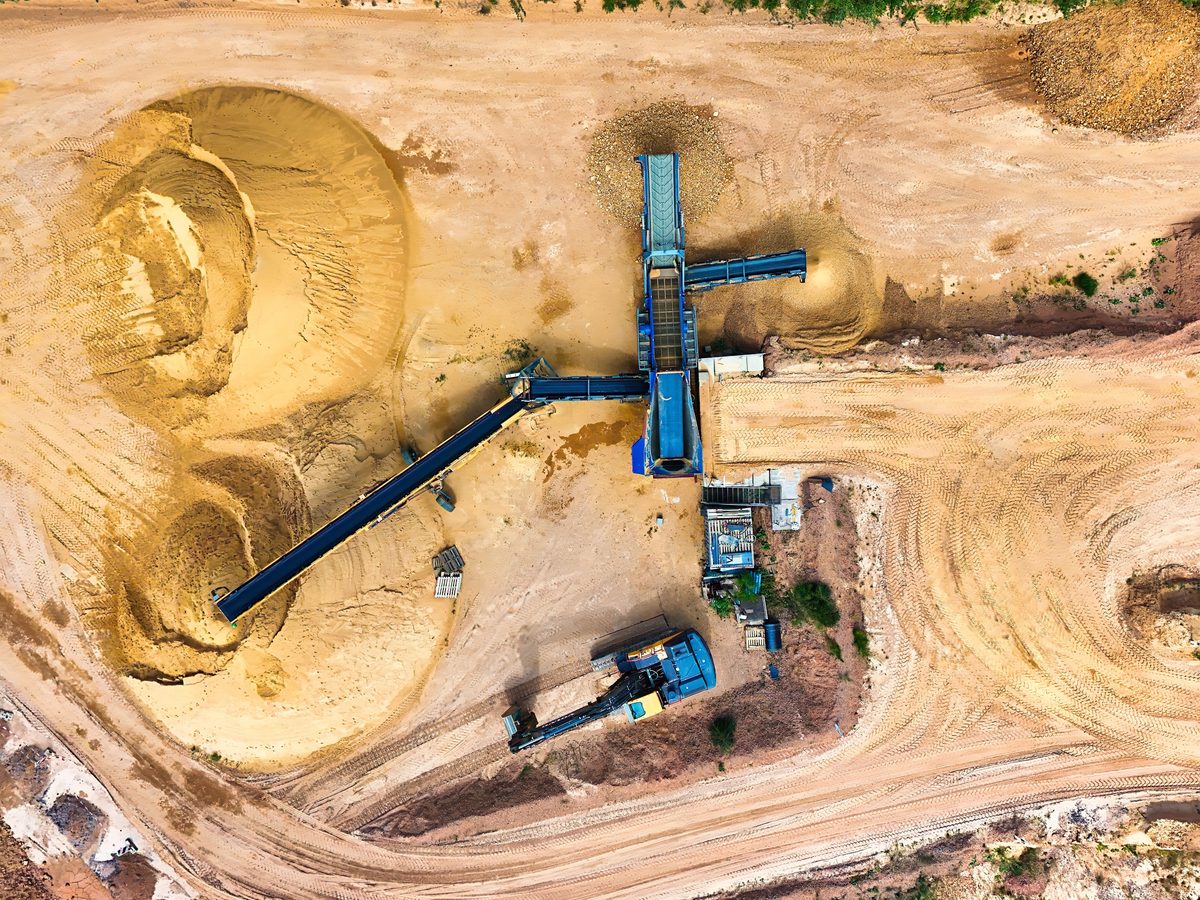
Rock, literally. The sinks content, the incombustible stone in feed coal, reached about 20 percent from some ageing collieries, damaging gasifiers and cutting yields, which forced Sasol to buy millions of external tonnes at around R700 a tonne. The fix was characteristically Sasol: a destoning plant, built for about R700 million by repurposing an old export coal facility, which washes the worst rock out of 10 million tonnes a year before it reaches the gasifiers. It reached beneficial operation in December 2025, blended sinks now average about 12 percent, and the 2026 financial year delivered Secunda’s highest production in five years, beating guidance. External coal purchases now normalise toward 4 to 6 million tonnes a year, and Sasol wants its own mines back up to 32 to 34 million tonnes. The coal-market backdrop is in the coal question and the district view in Mpumalanga coal country.
Secunda’s appetite is a market
AMIQ tracks the operations feeding Secunda and the maintenance economy around it, contacts verified.
How big is the emissions problem?
The biggest single-site number in the world: around 53 to 56 million tonnes of CO2 equivalent a year, more than Portugal. About half comes from the utility boilers, half from the process itself, because making fuel from coal is carbon-intensive by its chemistry. Sasol holds its target of a 30 percent reduction by 2030 against a 2017 baseline, pursued through renewables, over 500 megawatts already operational within more than 1.2 gigawatts secured, boiler turndown, efficiency and about 9 million tonnes of contracted carbon offsets. Independent analysts read that target as implying roughly an 11 percent production cut. Full conversion to green hydrogen would need around 18 gigawatts of renewables and north of a trillion rand, which is why nobody proposes it. The honest framing: Secunda will be managed down its own cost and carbon curve, not converted.
What is the gas cliff?
Secunda’s supplementary feedstock since 2004 is Mozambican natural gas, and those fields are declining. Sasol stops supplying South African industrial gas customers in 2028 and bridges its own needs with methane-rich gas from the gasifiers to 2030, with production stepping down to about 6.4 million tonnes a year from 2034 as gas for its own use depletes. Imported LNG, Sasol says plainly, is uneconomic as a feedstock. So the plant’s trajectory is set less by climate policy than by feedstock arithmetic: a plateau near 7 million tonnes to 2030, then a smaller Secunda. For coal suppliers and the town, that is a 15-year runway with a visible bend in it.
What this means for suppliers
Secunda remains one of the largest sustained procurement engines in the country: shutdown maintenance employing up to 14,500 temporary workers, gasifier refurbishment now 25 percent through a fleet-restoration programme, destoning and coal-handling plant, renewables construction at gigawatt scale, and mining capital to lift own production. The realistic read is a decade of intense brownfield spend on a plant that must run reliably while shrinking gracefully. AMIQ tracks 2,200+ African mining projects with verified owner and engineer contacts, Sasol’s collieries included. Join at AMIQ, and see coal mines in South Africa for the wider district.
Frequently asked questions
How much coal does Sasol Secunda use?
Roughly 38 million tonnes a year: 28.2 million from Sasol’s own five Secunda collieries in the 2025 financial year plus 10 million bought externally. The new destoning plant cleans the worst of it before gasification.
Is Secunda really the world’s biggest CO2 emitter?
It is the largest single-site emitter, at roughly 53 to 56 million tonnes of CO2 equivalent a year, exceeding many countries. Power utilities emit more in total, but across many separate stations rather than one fence line.
How many people work at Sasol Secunda?
Around 24,000 directly at the complex, about 4,000 in the captive coal mines, and up to 14,500 additional temporary workers during major shutdowns. Roughly 80 percent of Secunda town’s 40,000 residents depend on the plant economically.
Will Secunda close?
Not soon. Sasol plans to sustain production near 7 million tonnes a year to 2030, stepping down to about 6.4 million from 2034 as Mozambican gas depletes. Analysts debate the 2030s, but the plant’s replacement mines were built for lives beyond 2039.