Mpumalanga produces roughly 80 percent of South Africa’s coal, and in 2026 it is living two lives at once. The province still feeds most of Eskom’s power stations and fills the export trains to Richards Bay. At the same time it is the testing ground for the country’s energy transition, where the first power station has already closed and wind turbines are going up in the middle of the coalfields. The national picture behind that shift is in our coal question review.
For anyone selling into mining in Mpumalanga, the question is not whether coal is ending. It is which operations are running hard for another decade, and which are winding down. Here is the picture.
How many coal mines operate in Mpumalanga?
South Africa has around 108 operating coal mines, and the large majority sit in Mpumalanga, clustered around Emalahleni, Middelburg, Secunda and Ermelo. About 69 collieries are entitled to ship through the Richards Bay Coal Terminal. The province also hosts most of the roughly 260 mines of all types that the provincial government counts inside its borders.
Who are the big producers?
Five companies account for about 77 percent of South Africa’s coal production, and all five are anchored in Mpumalanga. Seriti leads at around 62 million tonnes a year, followed by Sasol at 42, Exxaro at 26, Thungela at 25 and Glencore at 22. Together the majors produced about 235 million tonnes in 2024. Around them sits a long tail of mid-tier and junior producers, covered in our mining companies in Mpumalanga guide.
Is the export market growing or shrinking?
Recovering. Richards Bay Coal Terminal shipped 52.1 million tonnes in 2024, up from 47.2 million the year before, as Transnet’s rail performance improved. The terminal budgeted around 55 million tonnes for 2025. That is still well below its 91 million tonne capacity, so rail remains the binding constraint on export coal, not geology and not demand.
Coal country still signs orders
AMIQ tracks Mpumalanga’s mines and projects through the transition, contacts verified by our research team.
Two coals, two businesses
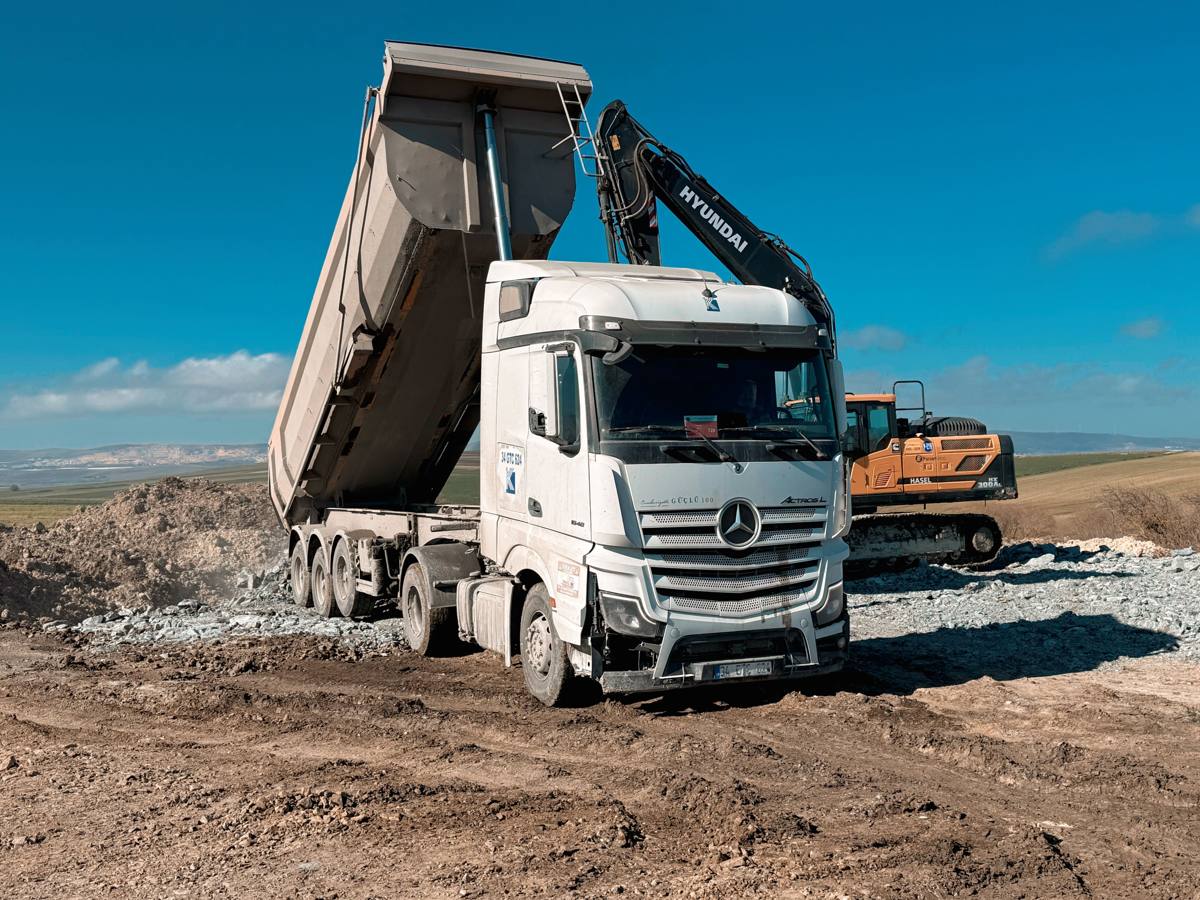
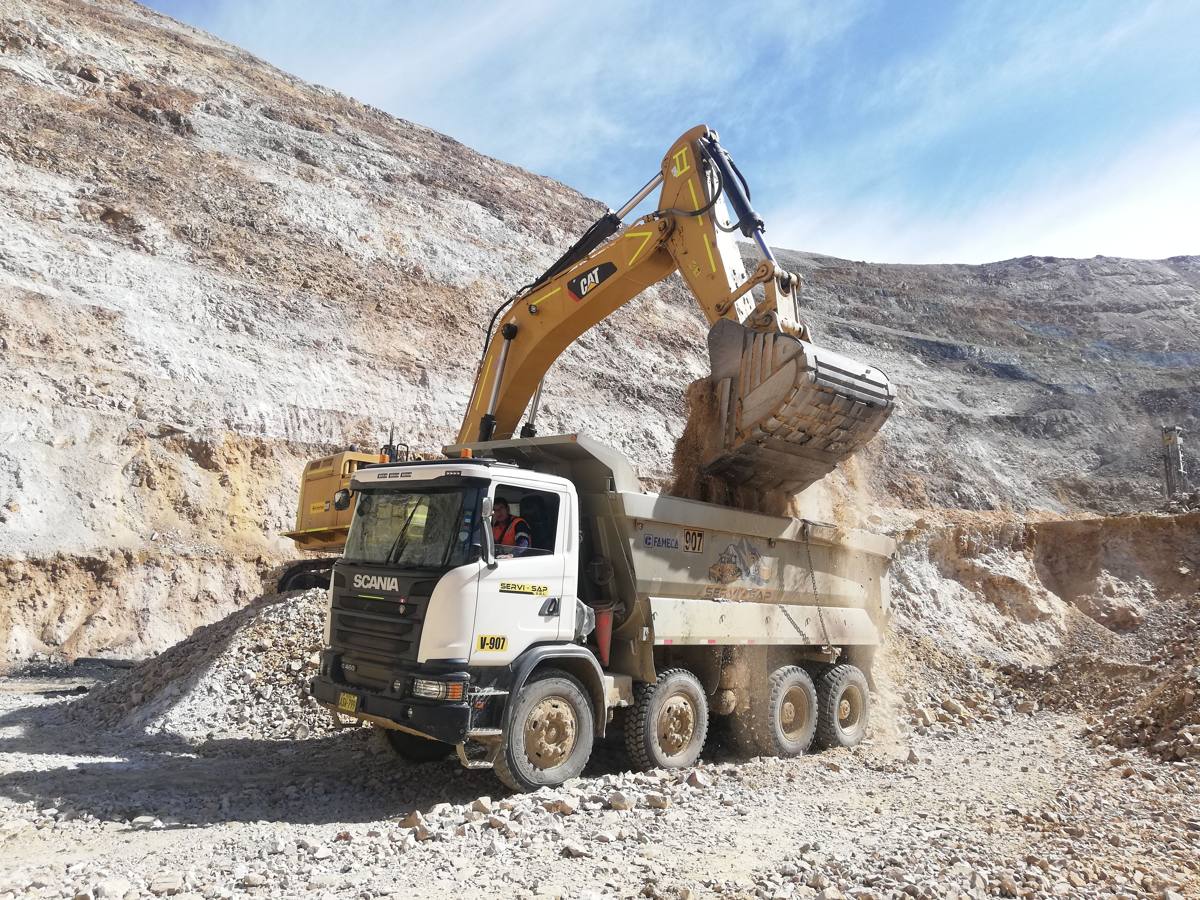
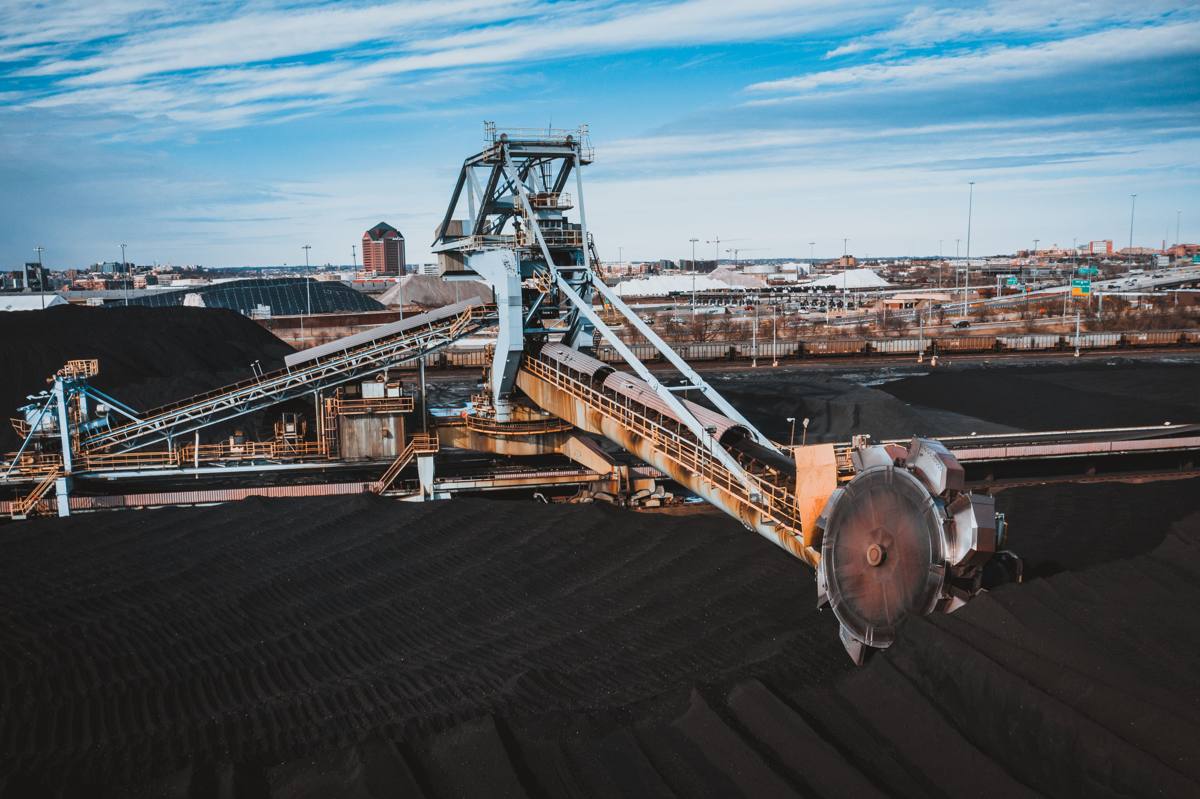
Mpumalanga really mines two products. Export coal is washed to higher energy grades and railed to Richards Bay, earning dollars and paying for the beneficiation plants, spirals and dense-media circuits that upgrade it. Eskom coal is lower-grade, often delivered by conveyor or short haul straight from pit to power station under long contracts, a lower-margin but steadier business. The two streams support different supply chains: washing and materials-handling plant on the export side, high-volume earthmoving and conveyor maintenance on the utility side. And the washing process leaves discard dumps that, like Johannesburg’s gold tailings, are increasingly being reprocessed for the energy value old plants left behind.
Who buys the export coal now?
The customer map has swung east. Europe’s post-2022 scramble for South African coal faded as quickly as it arrived, and the export book now anchors on India and Southeast Asia, price-sensitive buyers who take the mid-grades the Indian sponge-iron and cement industries prefer. That matters for mine planning, because the grades Asia buys shape which seams get washed to what specification, and it matters for suppliers because the exporters investing in wash-plant flexibility are the ones positioning for that demand.
What has actually closed so far?
Less than the headlines suggest. Komati, shut in October 2022, remains the only Eskom power station decommissioned to date, and its slow repurposing has become the cautionary tale of the transition. Eskom’s board has since extended Camden, Grootvlei and Hendrina to 2030 rather than retiring them mid-decade. On the mining side the schedule is more concrete: industry data points to four South African coal mine closures by 2025, eleven more between 2026 and 2030, and twelve between 2031 and 2035. Thungela expects operations at two of its mines that supply Sasol to cease in 2026.
What does the transition look like on the ground?
It looks like wind turbines above coal shafts. Seriti Green is building the Ummbila Emoyeni wind project in the coal belt near Bethal, with 19 turbines and 155 MW scheduled to come online in July 2026, feeding power to its own coal mines. The company is aiming at a 900 MW renewable cluster by 2027, the largest of its kind in the country. The message for the supply chain is that the coal majors are becoming energy companies, and they are procuring accordingly.
The rehabilitation economy
The transition’s most durable market in Mpumalanga may be cleaning up after the last century. The province carries a heavy load of derelict and ownerless workings alongside its operating mines, and acid mine drainage from the coalfields is managed by treatment plants, including facilities around eMalahleni that turn mine water into municipal drinking water. As the closure schedule advances, every shutting mine converts from a production customer into a rehabilitation customer: earthworks and re-shaping, soil and vegetation work, water treatment that runs for decades, and monitoring. Closure liabilities are funded obligations, which makes this rare in mining: a market whose spending is guaranteed by law.
Where the transition money lands
The international Just Energy Transition funding pledged to South Africa, starting from the 8.5 billion dollar partnership announced in 2021 and growing since, is aimed disproportionately at Mpumalanga: grid strengthening to carry renewables, repurposing studies for retiring stations, skills programmes for coal workers and support for new industry in the coal towns. Disbursement has been slower than the announcements, and Komati’s halting conversion shows how hard repurposing is in practice. But the direction of the money is clear, and contractors in transmission, construction and training will see much of it before any coal miner does.
What this means for suppliers
Mpumalanga’s coal economy is consolidating, not evaporating. Mines with export access or Eskom contracts are spending on efficiency, rail, and now renewables, while marginal pits close. The work is in knowing which is which before you commit a sales effort. AMIQ tracks 2,200+ African mining projects with verified owner and engineer contacts, the Mpumalanga coalfields included. Join at AMIQ, and see our coal mining in South Africa and coal mines in South Africa pages for the wider picture.
Frequently asked questions
How many coal mines are in Mpumalanga?
South Africa has around 108 operating coal mines and most are in Mpumalanga, concentrated around Emalahleni, Middelburg, Secunda and Ermelo. The province produces roughly 80 percent of the country’s coal.
Is coal mining in Mpumalanga shutting down?
Not quickly. Only the Komati power station has been decommissioned so far, and Eskom has extended Camden, Grootvlei and Hendrina to 2030. Mine closures are phased over decades, with eleven expected nationally between 2026 and 2030.
Who is the biggest coal producer in South Africa?
Seriti, at around 62 million tonnes a year, ahead of Sasol, Exxaro, Thungela and Glencore. The five together account for about 77 percent of national production.
What is the difference between export coal and Eskom coal?
Export coal is washed to higher energy grades and railed to Richards Bay for dollar markets, mainly in Asia. Eskom coal is lower-grade, delivered under long contracts, often by conveyor, straight to nearby power stations. Most Mpumalanga majors produce both streams.
What happens to a coal mine when it closes?
It becomes a rehabilitation project: re-shaping and covering workings, treating mine water, restoring soil and vegetation, and monitoring for years afterwards. Closure liabilities are funded by law, which makes rehabilitation one of the province’s most reliable long-term markets.