South African iron ore runs on one rail line. The 861 kilometre Sishen to Saldanha corridor carries almost everything the Northern Cape’s mines dig, and in 2026 the industry’s fortunes are being decided as much by trains and plant upgrades as by the ore itself. One major is spending billions to lift quality, another has just closed a 60-year-old mine, and the price outlook is soft. Here is where things stand.
Which are South Africa’s main iron ore mines?
Three operations dominate. Kumba Iron Ore, the Anglo American subsidiary, runs Sishen and Kolomela in the Northern Cape, together the heart of the export industry. Assmang’s Khumani mine near Kathu has capacity of around 14 million tonnes a year, sold into the seaborne market. The fourth name, Assmang’s Beeshoek, stopped mining at the end of October 2025 after ArcelorMittal South Africa’s troubles killed its domestic offtake, ending an operation that dated back to the 1930s. Our Kumba Iron Ore page covers the flagship producer in detail.
How much does Kumba produce, and why is 2026 lower?
Kumba produced 36.1 million tonnes in 2025, up one percent, with sales of 37 million tonnes. Guidance for 2026 drops to 31 to 33 million tonnes, deliberately. The company is tying in its R11.2 billion ultra-high dense media separation project, which upgrades previously discarded material into premium product, and it will top up sales from stockpiles while the plant work lands. Production guidance returns to 35 to 37 million tonnes for 2027 and 2028.
Know the iron ore buyers
AMIQ carries the Northern Cape’s mines and projects with the contacts who sign their spend.
What is happening on the rail line?
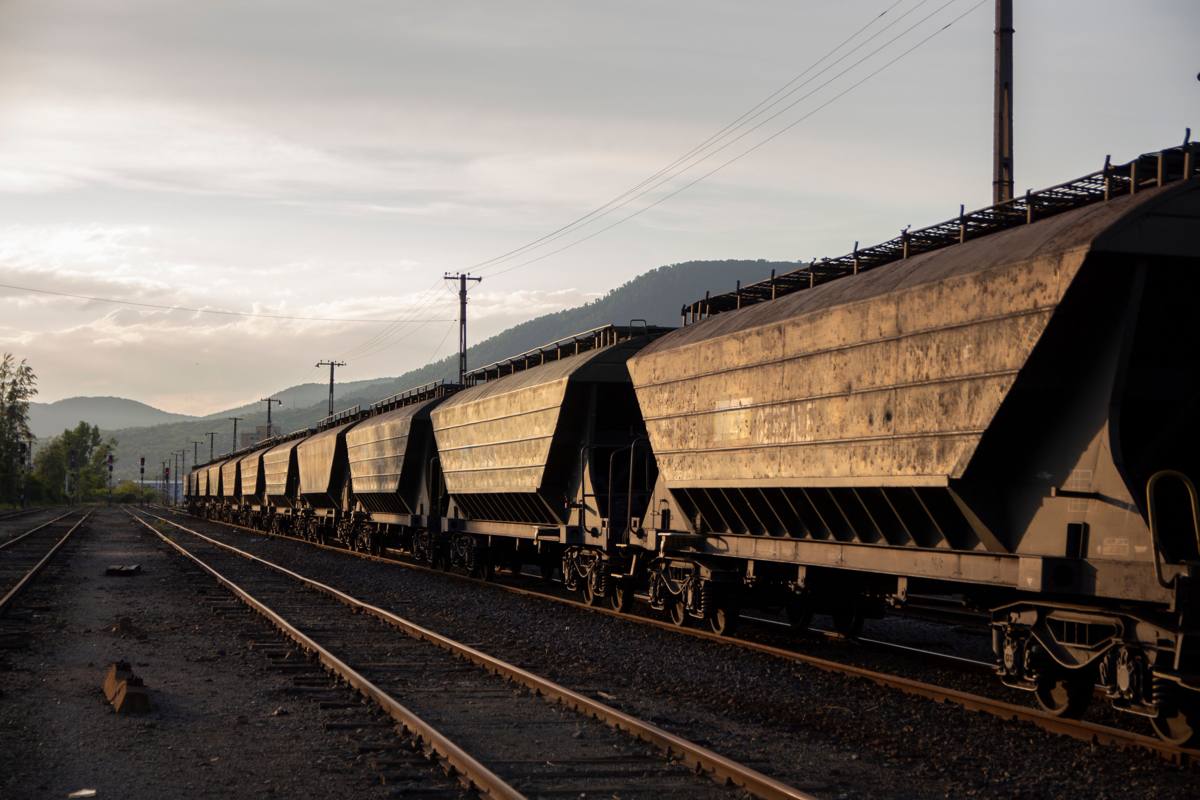
Slow repair. Transnet targeted 57 million tonnes of iron ore through Saldanha in the 2025-26 year, still short of what the mines could ship if the line ran clean. Kumba and Transnet have agreed to co-fund fixing the corridor’s problem sections, and the state is opening the network toward private train operators. Every exporter’s plans, Khumani’s included, are capped by this single piece of infrastructure, which also carries the manganese trains covered in our manganese guide.
Where are prices heading?
Sideways to soft. Forecasters cluster around the mid-90s in dollars for the 62 percent benchmark in 2026, with BMI at 95 and RBC at 98. Kumba realised 93 dollars per wet tonne free on board in the first quarter of 2026, about eight percent above the index equivalent, the premium earned by its higher-grade lumpy product. That quality premium is the whole logic of the UHDMS spend: in a flat market, grade is the only lever a producer controls.
What this means for suppliers
The money in South African iron ore is flowing into plant upgrades, rail rehabilitation and efficiency, not new pits. That favours engineering houses, processing technology, materials handling and rail services over classic mine-build packages. Watching who wins the UHDMS and corridor work tells you where the next contracts sit. AMIQ tracks 2,200+ African mining projects with verified owner and engineer contacts, the Northern Cape iron belt included. Join at AMIQ, and see iron ore mining in Africa for the continental view.
Frequently asked questions
How many iron ore mines are in South Africa?
Three major operations now: Kumba’s Sishen and Kolomela, and Assmang’s Khumani, all in the Northern Cape. Assmang’s Beeshoek mine stopped mining at the end of October 2025 after losing its ArcelorMittal offtake.
Who is the biggest iron ore producer in South Africa?
Kumba Iron Ore, majority-owned by Anglo American, which produced 36.1 million tonnes in 2025 from Sishen and Kolomela and plans 35 to 37 million tonnes a year from 2027 after its plant upgrade.
Why did Beeshoek close?
Its domestic customer collapsed. Deliveries to ArcelorMittal South Africa stopped in July 2025 over unpaid invoices, and without a sustainable offtake the 90-year-old mine was no longer economic. Mining ceased at the end of October 2025.