Every operating mine in Africa spent ten years or more as a project, and most of the money it will ever spend with suppliers was committed before the first tonne of ore came out. That is why mining project phases matter to anyone selling into the industry: each phase is a different buyer, spending a different budget, on a different clock. Read the phase correctly and you arrive when the shopping list is being written. Read it wrong and you are either years early or permanently late.
Here is the full journey from a geologist’s hunch to a producing mine, and what gets bought at every step along the way.
What are the phases of a mining project?
Seven, in broad strokes: grassroots exploration, advanced exploration, scoping study, prefeasibility study, feasibility study, construction, and commissioning into operation. A project can stall or die at any gate, and the journey from first drillhole to first ore typically takes a decade or more.
Grassroots and advanced exploration: the guessing years
A project begins as ground and a theory. Grassroots exploration tests the theory with geochemistry, geophysics and wide-spaced drilling, and the overwhelming majority of prospects fail here quietly. The ones that survive move to advanced exploration: tighter drilling grids, a maiden resource estimate, and the first serious money. The buyers at this stage are small teams spending investors’ cash quickly, and they purchase drilling metres, assays, camp services and helicopters, not plant. Where that money is flowing right now is mapped in our exploration hotspots review.
The studies: scoping, prefeasibility, feasibility
Once a resource exists, the project enters the study years, and the centre of gravity moves from the bush to the engineering office. A scoping study asks whether the idea deserves more money. A prefeasibility study compares the serious options, open pit against underground, plant size, power source, and locks the big choices. A feasibility study then engineers the chosen option to the level a bank will lend against, with costs pinned tightly enough to sign contracts on.
Each study is bought from engineering houses and specialist consultants, and each pulls in test work the project must pay for: metallurgical trials, geotechnical drilling, environmental baselines that can run through two wet seasons. For consultants and laboratories, the study years are the market. For equipment suppliers, they are the time to get specified into the design, because the flowsheet drawn in the feasibility study becomes the shopping list of the construction phase.
Permits, money and the decision to build
Between the feasibility study and construction sits the least visible phase and the one where most projects wait the longest. The project needs its mining right and environmental approvals, covered for South Africa in our mining rights explainer, a financing package of equity, debt and often offtake agreements, and finally a formal final investment decision from the board. Prices move, elections happen, lenders hesitate. Projects can sit fully engineered and unbuilt for years, which is why a dormant project is not a dead one, and why watching for the signals of revival, a refreshed study, a new funding partner, is profitable attention.
Every phase change is a sales signal
AMIQ records the phase of every project it tracks and updates it as projects move, so you see the buying window open.
Construction: where the money gets spent
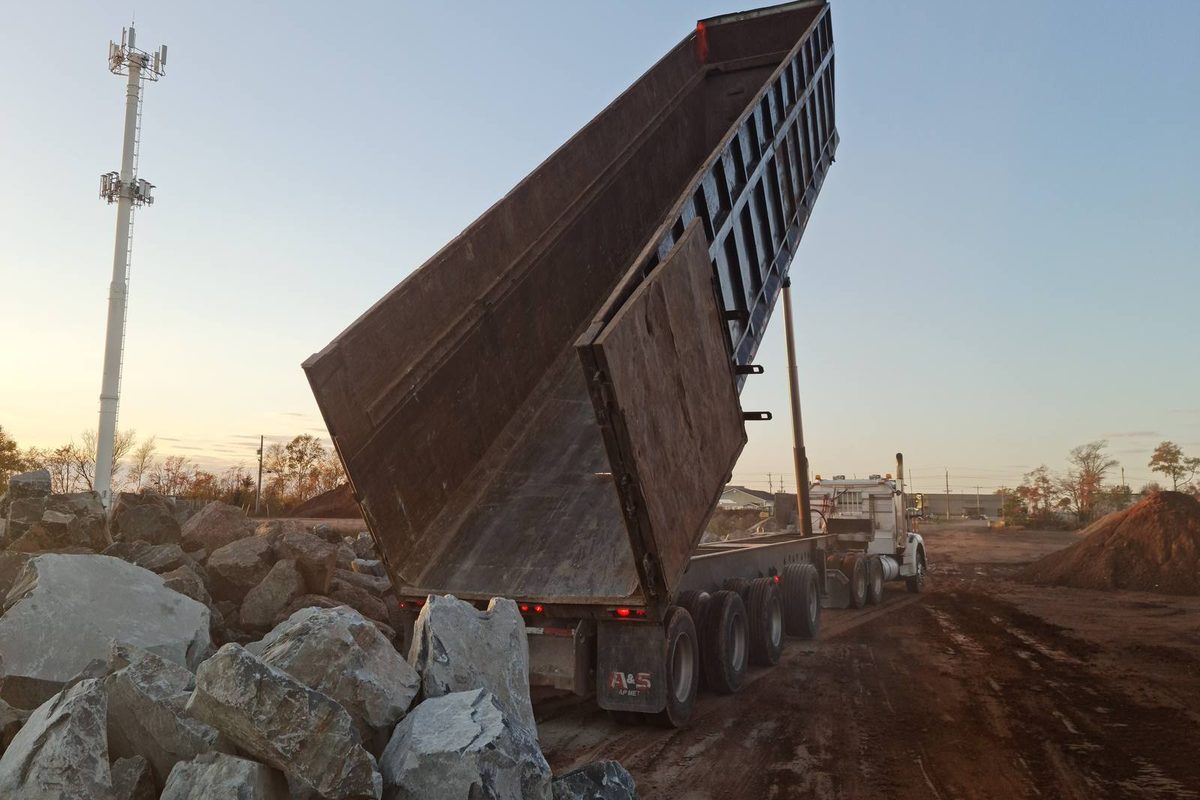
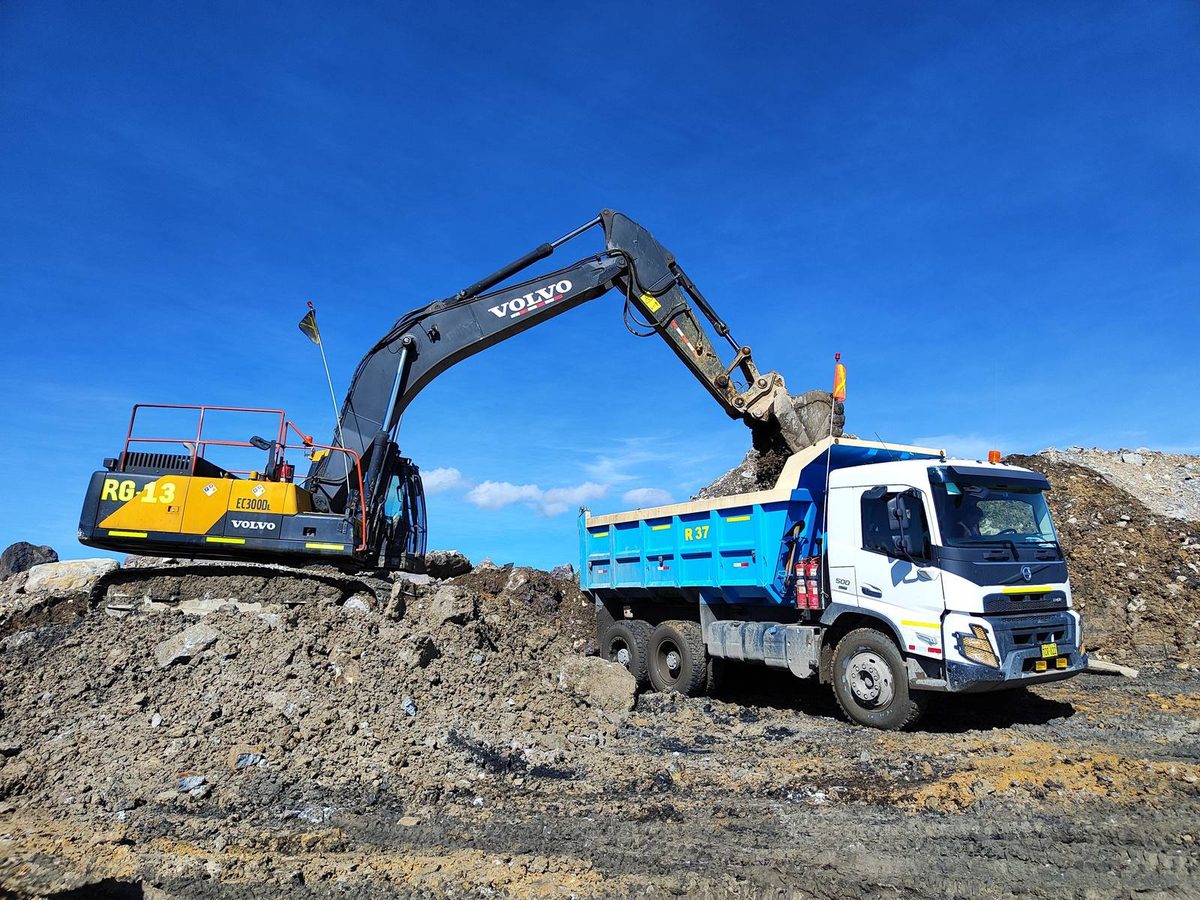
The construction decision releases most of the capital a project will ever spend, usually inside two to three years. Bulk earthworks, the concentrator plant, power and water infrastructure, shafts or pre-strip, accommodation, roads. On most builds an EPC or EPCM contractor manages the spend, which means the engineering house, not the mine owner, issues the bulk of the purchase orders. Suppliers who waited for this phase to introduce themselves discover the vendor lists were drawn during the feasibility study, and the winners were already in the room.
Commissioning, ramp-up and first ore
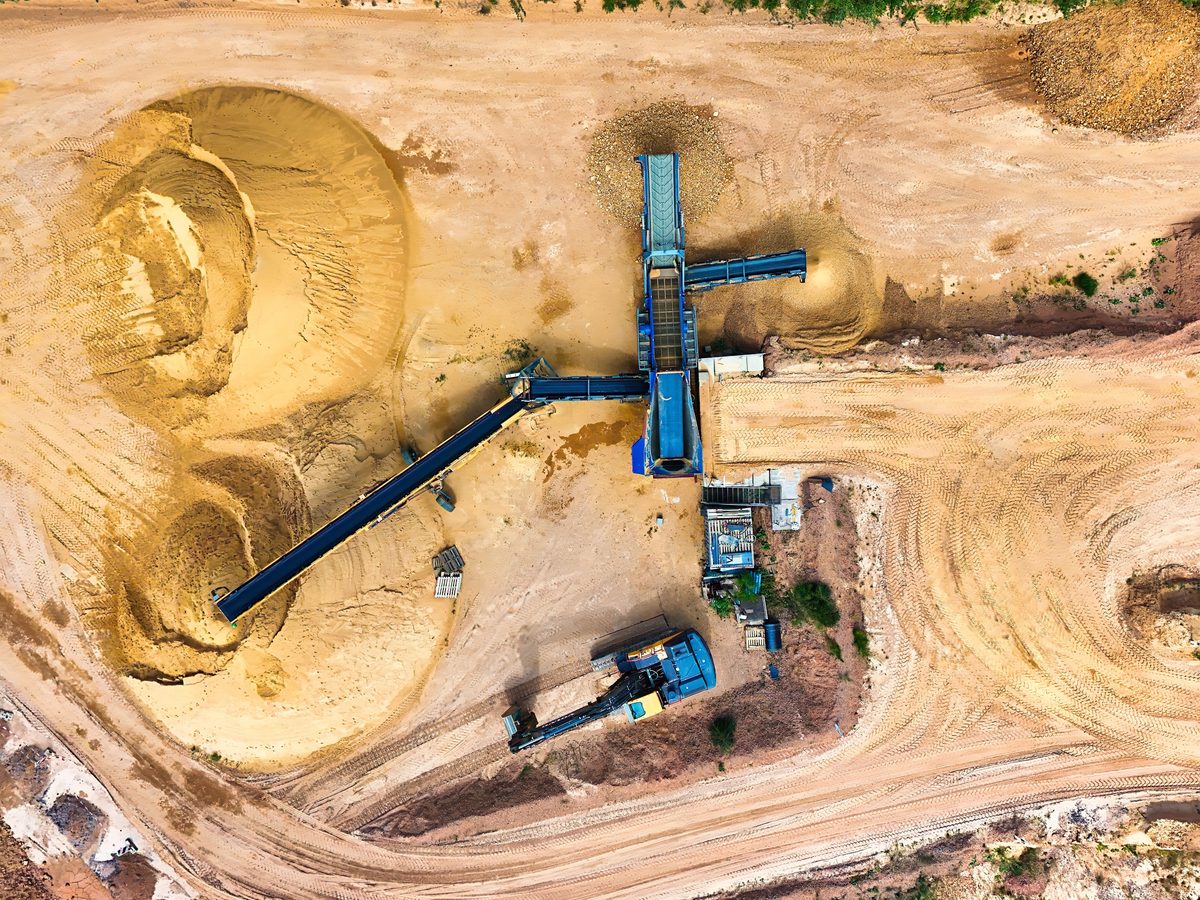
First ore is a beginning, not an end. Commissioning shakes the faults out of the plant, and ramp-up to design capacity routinely takes one to two years, with early production below nameplate while the operation learns its own orebody. Procurement changes character here for the final time: construction packages fall away and the operational book opens, consumables, spares, maintenance contracts and reagents, the repeatable revenue that continues for the life of the mine. It is smaller per order and far larger over time.
Why projects stall between phases
Because every gate needs three things at once: economics that work at current prices, permits in hand, and funded owners. Lose any one and the clock stops. Commodity price falls kill more projects than bad geology does, permitting queues hold technically ready projects for years, and junior owners run out of money mid-study with unfortunate regularity. The practical lesson for suppliers is to price the phase, not the press release: a project announcing a study has years to run, while one announcing a contractor award is months from spending.
Reading phases as buying signals
Put commercially: explorers buy drilling, studies buy engineering, builds buy everything, and operations buy forever. The skill is knowing where each project sits today, which is precisely what AMIQ tracks across 2,200+ African mining projects, each carrying its current phase, owner, engineers and verified decision-maker contacts. See how procurement follows the lifecycle in how mining procurement actually works, watch the live pipeline at new mining projects in Africa, or join AMIQ and follow the phase changes as they happen.
Frequently asked questions
What are the stages of a mining project?
Grassroots exploration, advanced exploration, then three studies of increasing precision (scoping, prefeasibility, feasibility), followed by permitting and financing, construction, and finally commissioning into operation. Most projects take a decade or more to travel the full path.
How long does it take to build a mine?
Construction itself usually runs two to three years, but the journey from first drilling to first ore typically takes ten years or more once exploration, studies, permitting and financing are counted. Ramp-up to full capacity adds another one to two years.
What is a feasibility study?
The final and most detailed engineering study of a mining project, costed tightly enough for banks to lend against. It fixes the mine design, plant flowsheet and capital estimate, and its equipment selections effectively write the construction phase’s shopping list.
What is a final investment decision?
The formal board approval that releases construction capital, taken once the feasibility study, permits and financing are all in place. It is the single clearest buying signal a mining project ever sends, because most of the project’s total spend follows within three years.