Every mine on the continent started as a guess. What has changed is the quality of the guessing. Exploration has moved from hammers and hunches to airborne physics, machine learning and drill rigs that log rock chemistry in real time, yet the industry is spending less on the hunt than it did a decade ago. Both halves of that sentence shape what gets discovered in Africa next.
How do modern mines actually find ore?
By narrowing down, layer by layer: regional geology maps and satellite imagery first, then airborne geophysics to see below cover, then soil and rock geochemistry to detect halos around mineralisation, and only then drilling, which remains the only proof. Each layer exists to make the next, more expensive one cheaper.
The toolkit, from sky to core shed
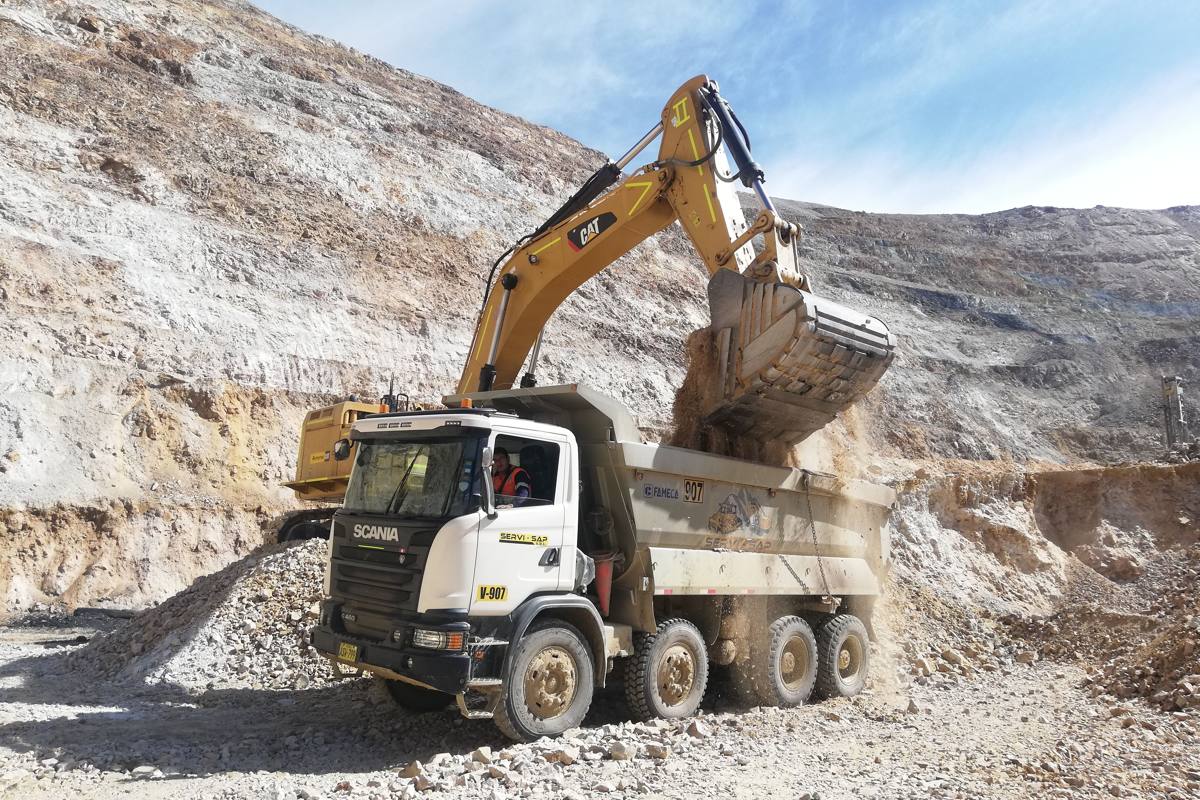
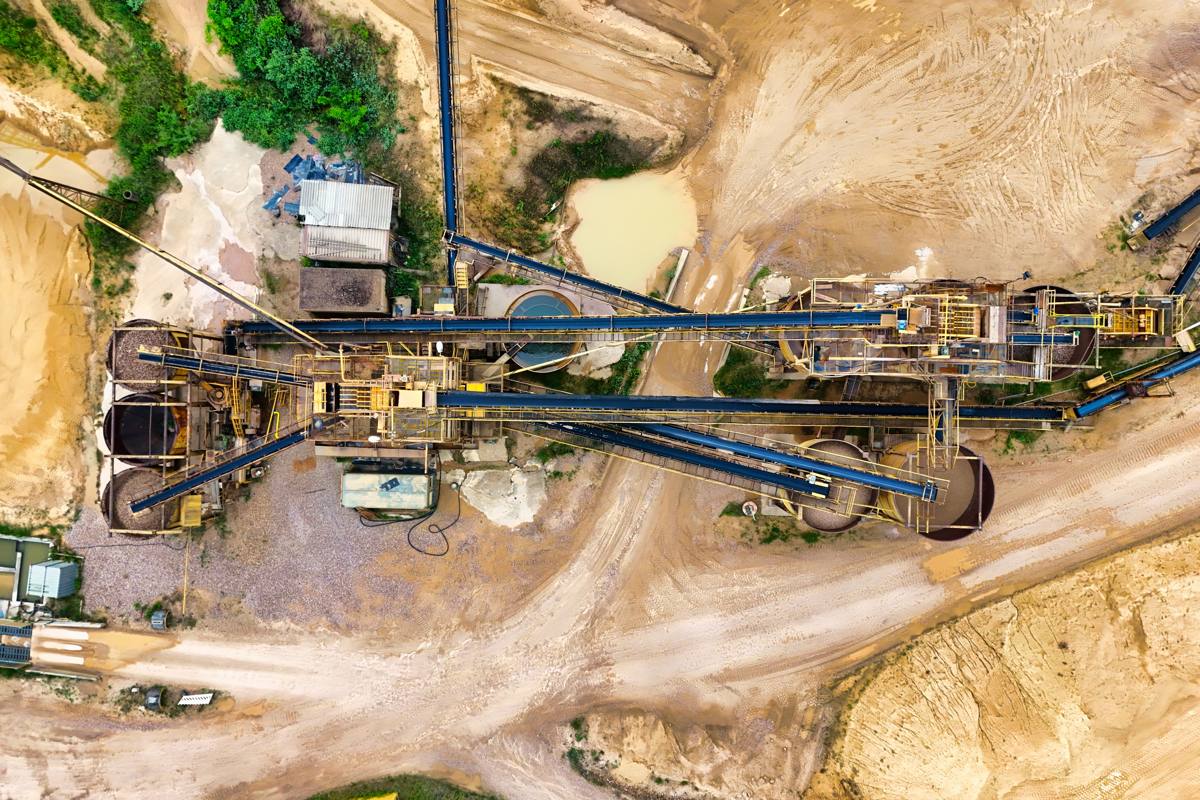
Airborne surveys do the heavy lifting early: magnetics pick up iron-bearing structures, electromagnetics find conductive sulphide bodies, gravity surveys detect dense masses, and radiometrics map surface chemistry. Modern drones now fly detailed magnetic grids for a fraction of helicopter cost, which suits smaller African programmes. On the ground, geochemistry has become extraordinarily sensitive, reading the faint chemical leakage that travels upward through tens of metres of sand and laterite, which matters on a continent where much of the best geology hides under exactly that cover. Then the drill bit takes over, and even that has changed: core scanners log mineralogy continuously, and portable analysers give grade estimates at the rig within minutes rather than weeks. The economics still bite, though. A single deep diamond drill hole can cost hundreds of thousands of dollars, which is why everything upstream of drilling is really a technology for wasting fewer holes.
Is AI actually finding mines?
It is finding targets, which is the honest version of the claim. Machine-learning systems train on the geophysical and geochemical signatures of known deposits and scan regional datasets for lookalikes. The most-watched example operates in Africa: KoBold Metals, backed by Gates and Bezos money, signed a 1,600 square kilometre exploration agreement in the DRC in 2025 and put a billion-dollar framework around the Manono lithium ground. The technology is best understood as a prioritisation engine. It does not replace drilling, it ranks where drilling is least likely to be wasted. The discipline it enforces, treating exploration as a data problem, is spreading to conventional explorers too.
Follow discoveries as they happen
AMIQ tracks African projects from first drill results onward, with the people behind each one verified.
The uncomfortable spending picture
Global exploration budgets fell to 12.4 billion dollars in 2025, a third straight annual decline, and the share going to grassroots exploration, the kind that finds genuinely new deposits, sits at an all-time low. Africa drew 1.44 billion dollars, up 11 percent and about a tenth of the world total, but it flows unevenly: gold in West Africa and copper in the DRC-Zambia belt attract most of it, while South Africa’s exploration spend has fallen seven straight years to under 1 percent of the global total. The consequence is predictable. Discoveries lag spending by a decade, so today’s underinvestment is the late 2030s’ supply squeeze, a dynamic covered in our investment trends analysis.
Where does the next generation of African discoveries come from?
Three places, on current evidence. Under cover: the extensions of known belts, like the Kalahari-covered ground beyond the Copperbelt, where modern geophysics finally sees through the sand. Around old mines: brownfield exploration keeps winning because infrastructure makes modest discoveries economic, which is why so much drilling clusters near existing operations. And in reprocessed data: national geological surveys and old company archives, run through modern analysis, keep yielding targets the original geologists could not see. Projects at every one of these stages appear on mining exploration in Africa, and the ones that graduate become the entries on new mining projects.
What this means for suppliers
Exploration is a market of many small buyers making fast decisions: drilling contractors, assay laboratories, geophysics crews, camp services, software. The buying signal to watch is stage change. A project moving from soil sampling to drilling, or from drilling to feasibility, changes its procurement completely within months. Catching that moment is worth more than any directory of names. AMIQ tracks 2,200+ African mining projects from grassroots to production, with verified owner and engineer contacts and stage tracked on each. Join at AMIQ.
Frequently asked questions
What technology is used in mineral exploration?
Satellite imagery and airborne geophysics (magnetics, electromagnetics, gravity, radiometrics) for regional targeting, surface geochemistry for vectoring, then diamond and reverse-circulation drilling for proof, supported by core scanning, portable analysers and increasingly machine-learning target generation.
How much does mineral exploration cost?
Global budgets totalled 12.4 billion dollars in 2025, with Africa’s share about 1.44 billion. A single project can range from a few hundred thousand dollars for early sampling to tens of millions for a drill-out that proves a resource.
Is AI used to find mineral deposits?
Yes, as a targeting tool. Systems like KoBold’s train on the signatures of known deposits to rank new ground, and KoBold has committed around a billion dollars to DRC lithium and copper ground on that basis. Drilling still provides the only proof.
Why are new mineral discoveries declining?
Because grassroots exploration spending has fallen for years while the easy, outcropping deposits are already found. What remains hides under cover and costs more to detect, and discovery rates track the money spent a decade earlier.