Mechanisation in African mining is not one trend but three, moving at very different speeds: machines replacing drills and shovels underground, electric fleets replacing diesel, and remote operation replacing people at the face. Where each one lands depends less on technology than on geology and labour economics, which is why South Africa’s deepest mines still employ tens of thousands while a new mine next door might run on a few hundred operators. Here is what is actually changing, and where.
Why are some mines mechanised and others not?
Orebody shape decides. Thick, regular orebodies like South Deep’s gold or Mogalakwena’s open-pit PGM reef suit big machines. South Africa’s narrow tabular gold and platinum reefs, often less than a metre high and a kilometre or more down, defeat most equipment, so scale there still means people: Impala Rustenburg employs around 49,000.
The narrow-reef problem
The hard truth of South African mechanisation is that the country’s two great orebodies, the Witwatersrand gold reefs and the Bushveld’s Merensky and UG2, are mostly too narrow and too deep for conventional machines. Cutting a three-metre tunnel to mine a one-metre reef triples the waste moved per ounce. That is why the industry’s mechanised successes cluster where geometry allows: South Deep runs fully mechanised because its orebody is thick, Two Rivers and Northam’s Booysendal mechanised on shallower, more regular ground, and Valterra is trialling underground mining at Mogalakwena from late 2026 precisely because the northern limb’s reef is wide enough to take machines. Where the reef stays narrow, companies pursue smaller wins instead: low-profile equipment, mechanised sweeping and in-stope bolting that lift safety and productivity without changing the mining method. The full operational context is in our biggest mines analysis.
Where is electrification actually happening?
Fastest in new mines designed for it. Glencore’s Onaping Depth nickel mine in Canada set the template for an all-electric deep mine, and Africa’s versions are arriving through greenfield builds where ventilation savings pay for the fleet: an electric mine needs far less air moved underground because there is no diesel exhaust to dilute, and ventilation is typically around half a deep mine’s energy bill. Retrofitting an old fleet rarely pays. Buying electric when the mine is designed does. Expect every new underground project on the continent to run the calculation, and most shallow open pits to stay diesel until battery trucks mature at the 300-tonne class.
Find the mines that are modernising
AMIQ shows which operations are investing in new methods and equipment, and who runs those decisions.
Machines above ground: the quiet revolution
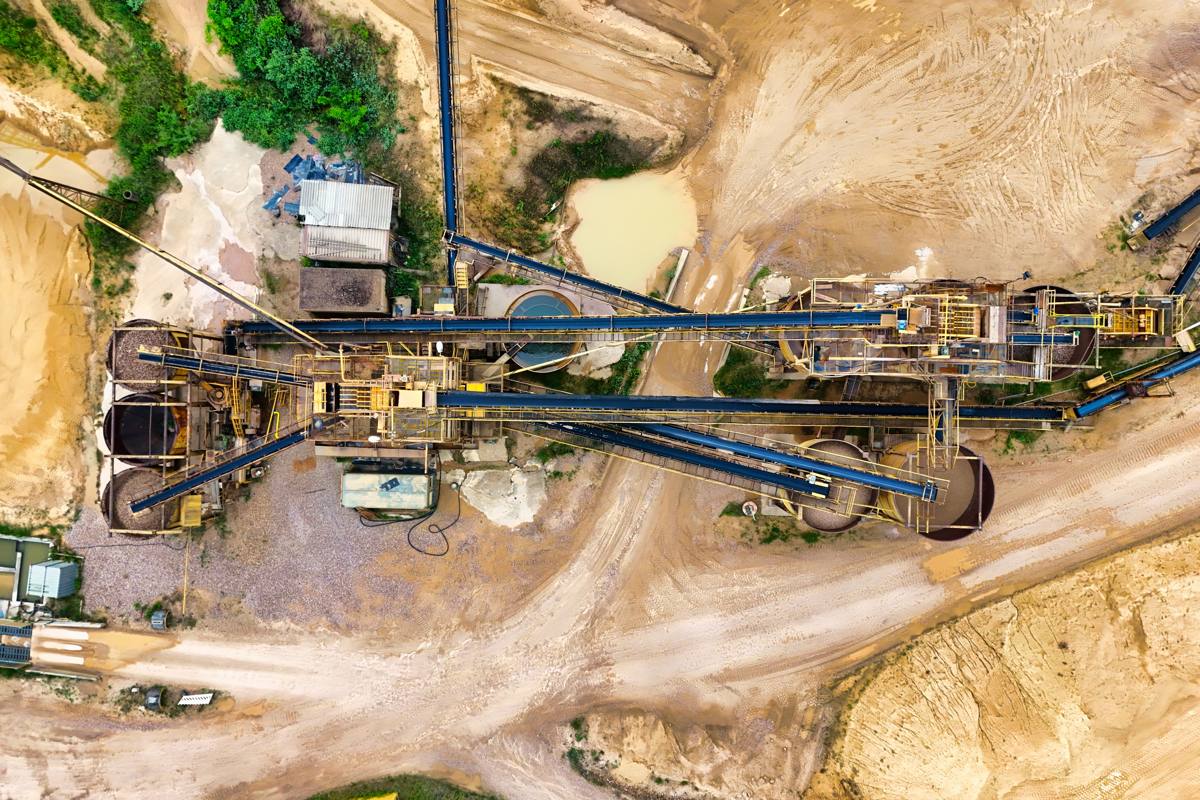
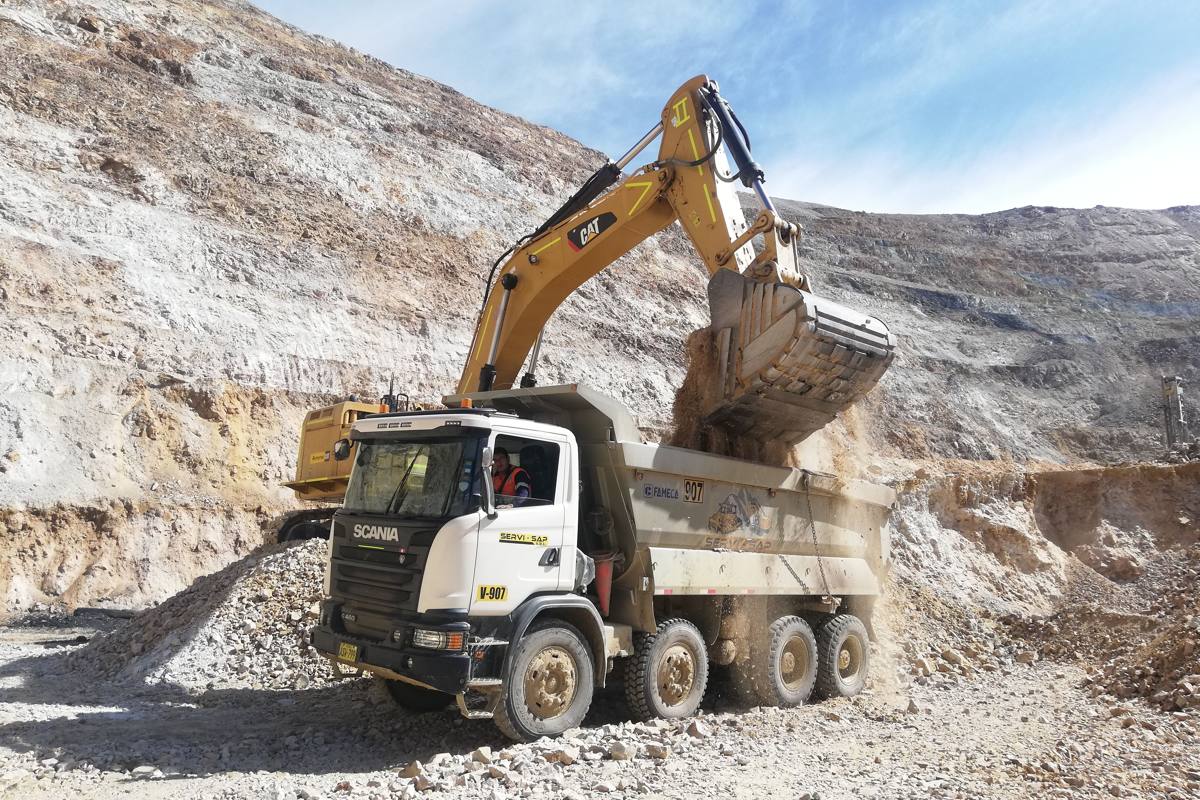
The biggest productivity gains of the past five years came from less glamorous mechanisation: plant and process. Kumba’s R11.2 billion UHDMS project at Sishen is effectively automation of ore selection, using denser separation media to let the plant, not the geologist’s cut-off line, decide what counts as ore. Sasol’s destoning plant did the same for coal quality at Secunda, washing out the rock that was damaging its gasifiers. Drone surveying, automated drill rigs in open pits, and collision-avoidance systems, now fitted across Sishen’s 81 ultra-class trucks, spread quickly because they bolt onto existing operations without changing the mining method. That is the pattern worth internalising: incremental mechanisation wins wherever wholesale mechanisation stalls.
What does it mean for jobs?
Less than the headlines suggest, and slower. South African mining still employed 470,457 people in 2025, and the deep-level PGM and gold mines that dominate that number cannot mechanise their way out of labour intensity with any known equipment. What changes is the mix: fewer rock-drill operators over time, more artisans, technicians and operators, and a persistent skills shortage in exactly those trades. For unions and government, mechanisation debates matter most at new projects, which start with a tenth of the headcount of an old-style shaft. The transition is generational, not sudden.
What this means for suppliers
Sell to the gap between ambition and geology. Narrow-reef mines buy incremental tools: low-profile machinery, support automation, safety systems, anything that lifts output per shift underground. Mechanised and open-pit operations buy availability: fleet management, collision avoidance, condition monitoring, electrification studies. And every plant upgrade like UHDMS or a destoning circuit is a multi-year procurement stream. Knowing which mines sit on which side of the divide is the targeting question. AMIQ tracks 2,200+ African mining projects with verified owner and engineer contacts, mechanised and conventional alike. Join at AMIQ, and see mining software and technology for that side of the market.
Frequently asked questions
What is mine mechanisation?
Replacing manual drilling, blasting support and material handling with machines: mechanised drill rigs, load-haul-dump loaders, roof bolters and conveyor systems underground, and increasingly automated or electric fleets. It spans everything from low-profile equipment in narrow reefs to fully autonomous haul trucks.
Why is South African mining not fully mechanised?
Geology. The gold and platinum reefs are typically under a metre thick, deep and inclined, so machines built for tunnels cannot mine them without moving several times more waste rock. Mines mechanise where orebodies are thick, like South Deep, and stay conventional where they are not.
Are electric vehicles used in mines?
Increasingly, especially in new underground mines, where battery-electric fleets cut ventilation and cooling needs dramatically. Retrofits are rare because the savings come from designing the whole mine around electric equipment from day one.
Does mechanisation reduce mining jobs?
Gradually, and mostly at new mines, which start with far smaller workforces than conventional operations. Existing deep-level mines remain labour-intensive because their orebodies resist mechanisation. The bigger short-term effect is a shift in skills demand toward technicians and artisans.