The mining supply chain gets described as if it were one thing, when it is really two chains meeting at the mine gate: an inbound chain of equipment, consumables and services flowing in, and an outbound chain of ore, concentrate and metal flowing out. Each has its own economics, chokepoints and players, and most of the industry’s crises, from ferrochrome smelter closures to coal export shortfalls, are supply chain stories wearing commodity-price disguises.
What is the mining supply chain?
Everything between the orebody and the customer, in both directions: inbound flows of capital equipment, consumables, energy and services into the mine, and outbound flows of product through processing, rail, port and shipping to smelters and end users. The mine sits in the middle as buyer on one side and seller on the other.
The inbound chain: what a mine consumes
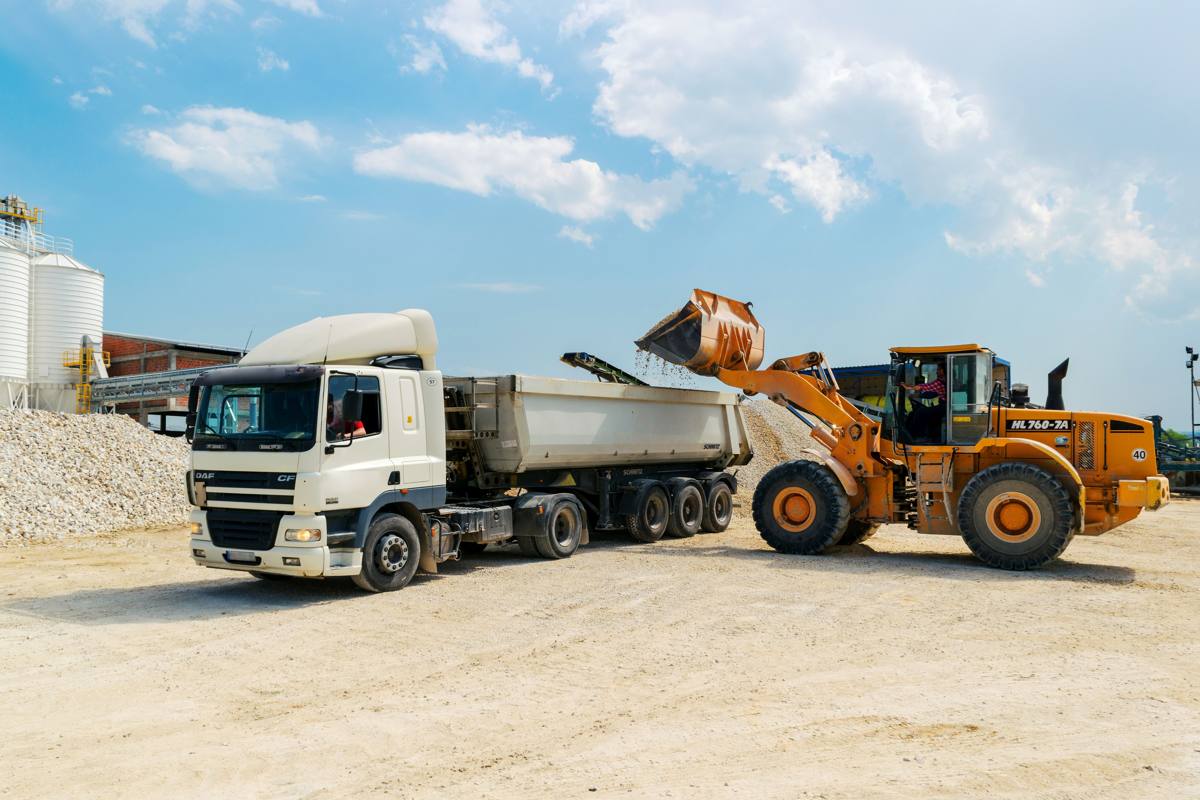
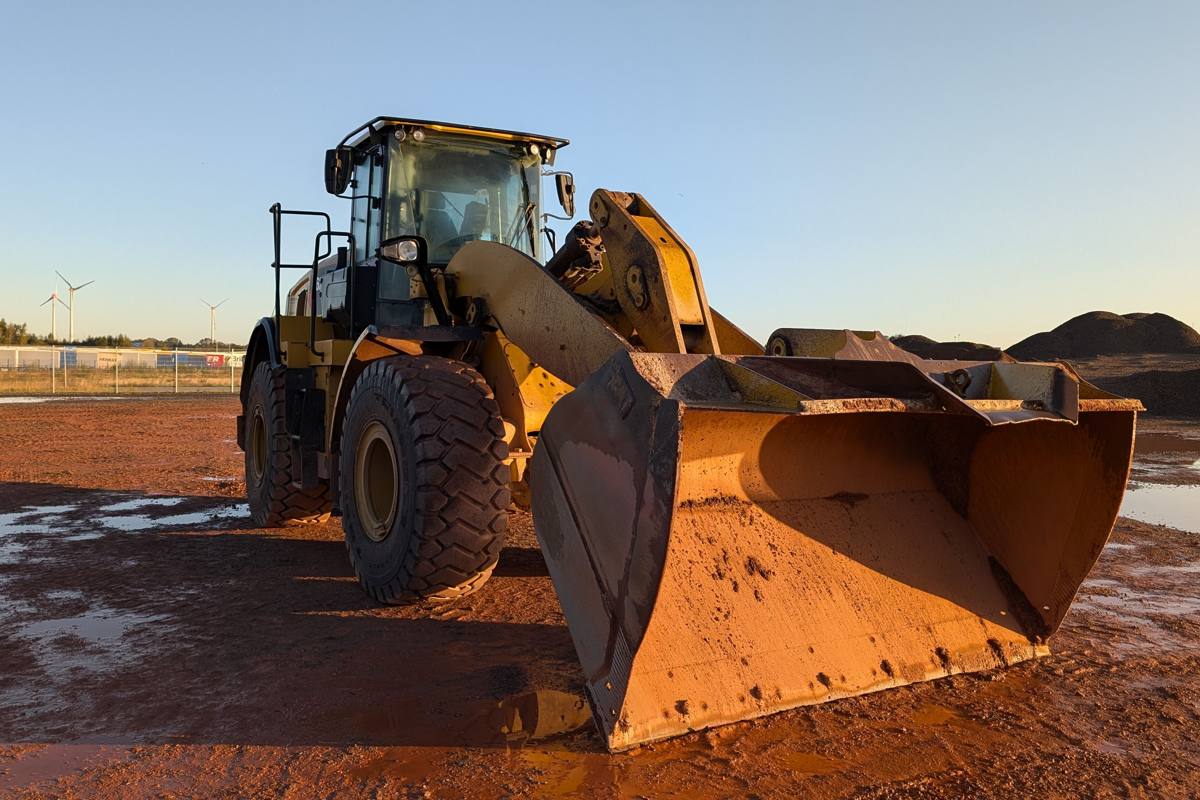
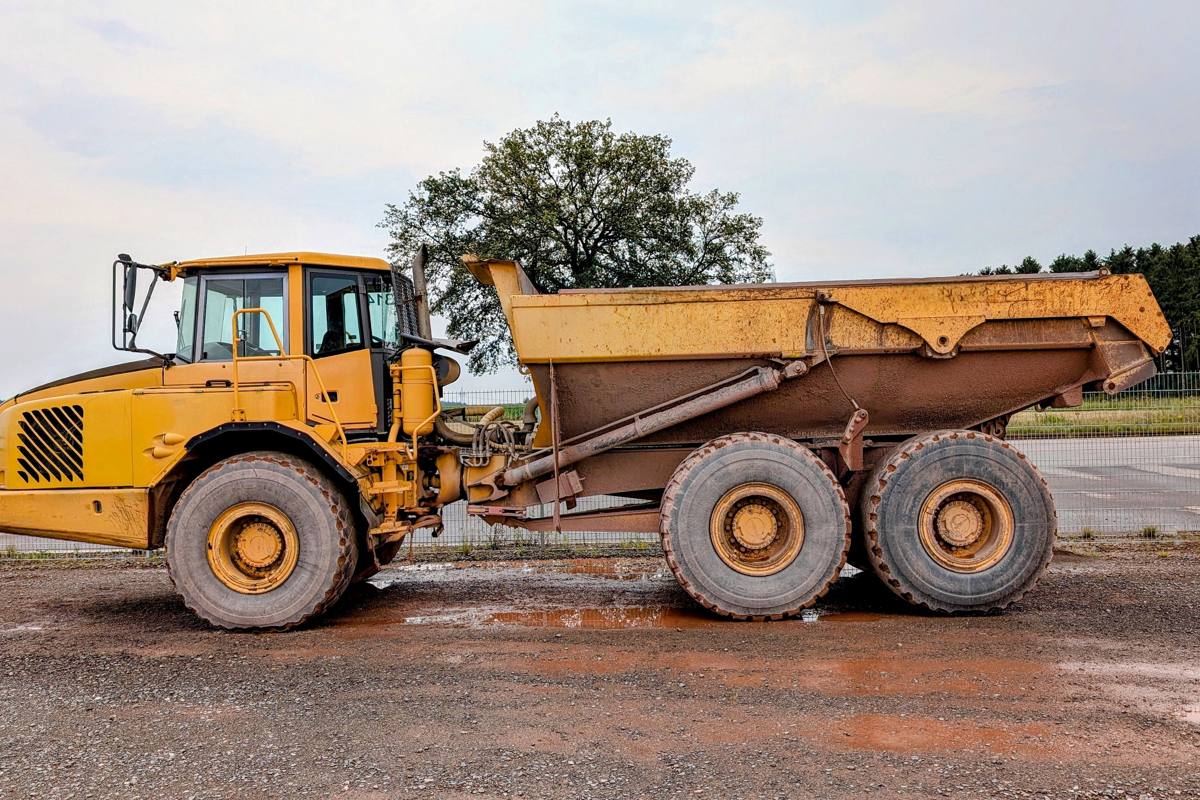
A working mine is a consumption machine with a long tail of suppliers. Capital equipment at the top: trucks, mills and shovels bought in cycles that track commodity prices with a lag. Below that, the continuous consumables that never stop: explosives, grinding media, drill steel, tyres, reagents, lubricants and fuel, each a specialised industry of its own. Then energy, often a quarter or more of operating cost and the single input whose price and reliability can kill an operation, as South Africa’s ferrochrome smelters demonstrated when tariffs rose over 900 percent since 2008. And finally services, from contract mining to catering, which is where most of the supplier population actually lives. The buying structure behind all this, who decides and when, is mapped in how mining procurement actually works.
The outbound chain: where the margin leaks
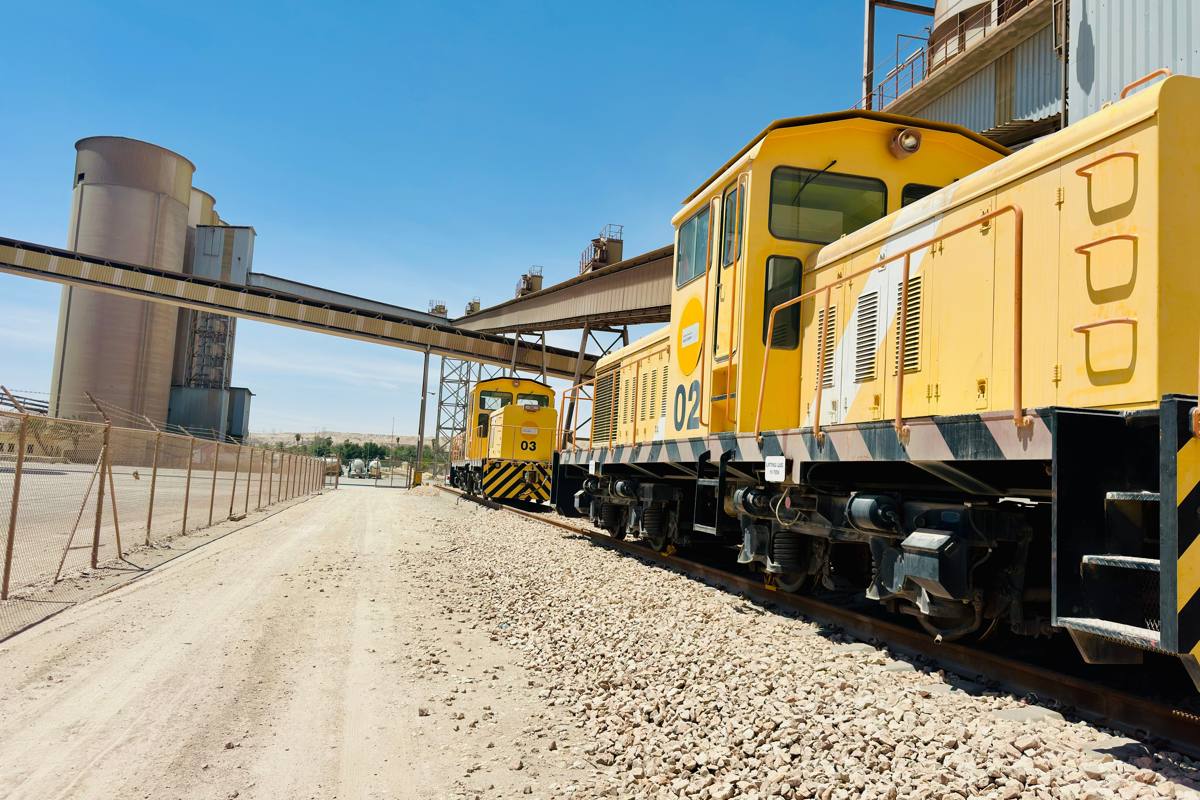
Outbound is where Africa’s supply chain pain concentrates, because minerals are heavy and infrastructure is scarce. The pattern repeats across commodities. South African coal exports run well below port capacity because rail underperforms: Richards Bay shipped 52 million tonnes in 2024 against 91 million tonnes of terminal capacity. Kumba holds millions of tonnes of buffer stock and plans around what Transnet can carry rather than what its mines can produce. Manganese and chrome move by road at a 40 percent cost premium when rail falls short, hundreds of trucks a day. And the DRC-Zambia Copperbelt’s entire investment case is being repriced by two railways, Lobito cutting export transit from around 16 days toward 7, and the revived TAZARA line eastward. The rule beneath all of it: for bulk commodities, logistics is geology’s equal in deciding what gets mined profitably.
Find your place in the chain
AMIQ maps the operations and projects your segment supplies, with verified buyer contacts.
The chokepoints that decide everything
Every mining supply chain has a small number of binding constraints, and they are worth naming because spending anywhere else changes little. Rail capacity for bulks. Port allocation, who holds entitlement at the terminal. Power, for anything that smelts or refines. Border posts, where a truck queue can add days between Copperbelt and port. Skills, the artisans and engineers every operation competes for. And increasingly water. Investment flows toward whoever relieves a constraint: private rail access agreements in South Africa, corridor financing in central Africa, renewable power at mine sites. Suppliers who position at the chokepoints, rather than in the crowded middle, sell into structural demand rather than cyclical appetite.
What is changing now
Three real shifts. Private participation in state infrastructure: rail access reform in South Africa and internationally financed corridors elsewhere are slowly converting logistics from a fixed constraint into a market. Regionalisation of the inbound chain: local-content rules and logistics costs are pulling manufacturing and warehousing closer to the mining belts. And digitisation at the interfaces, covered in digital procurement tools, which is quietly shortening the distance between a mine’s need and a supplier’s response.
What this means for suppliers
Read the chain, then pick your position. Selling consumables means winning framework contracts and proving delivery reliability. Selling into capital projects means engaging during studies, years early. Serving the outbound chain, logistics, handling, port services, means aligning with the corridor investments now underway. In every case the advantage is knowing which operations and projects generate the demand. AMIQ tracks 2,200+ African mining projects with verified owner and engineer contacts across the full chain. Join at AMIQ, and see mining services for the supplier-side view.
Frequently asked questions
What are the main inputs a mine buys?
Capital equipment (fleet, mills, plant), continuous consumables (explosives, grinding media, tyres, reagents, fuel), energy, and services from contract mining to maintenance and camps. Consumables and energy dominate operating spend, equipment dominates project spend.
Why is rail so important to African mining?
Because bulk commodities are heavy and low-value per tonne. Coal, iron ore, manganese and chrome only pay at rail costs. When rail underperforms, exports fall or move to road at premiums of 40 percent and more, which decides mine profitability as surely as grades do.
What is a supply chain chokepoint in mining?
A binding constraint that caps the whole chain regardless of capacity elsewhere: rail tonnage, port allocation, power supply, border throughput or scarce skills. Investment that relieves a chokepoint changes the economics of every operation behind it.
How is the mining supply chain changing?
Private capital is entering rail and ports, renewable power is loosening the energy constraint, local-content rules are regionalising supply, and digital platforms are compressing procurement cycles. Corridors like Lobito are repricing entire mining regions.