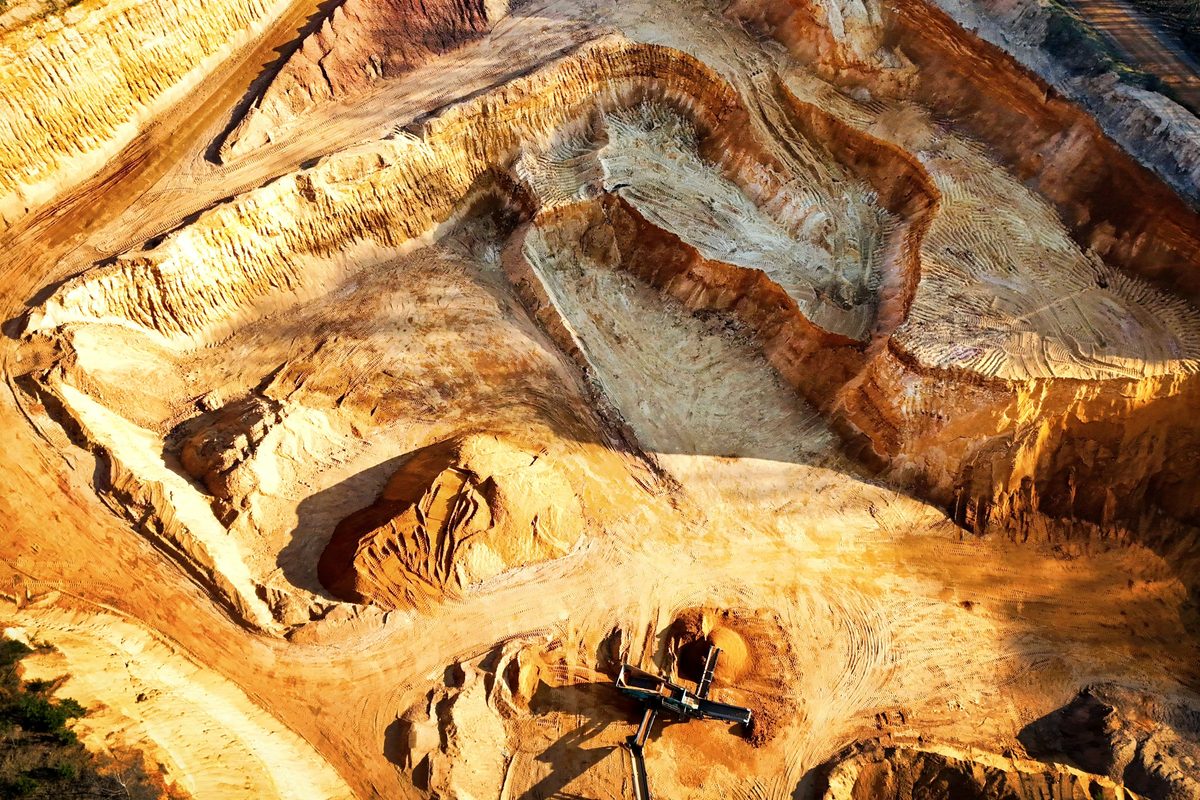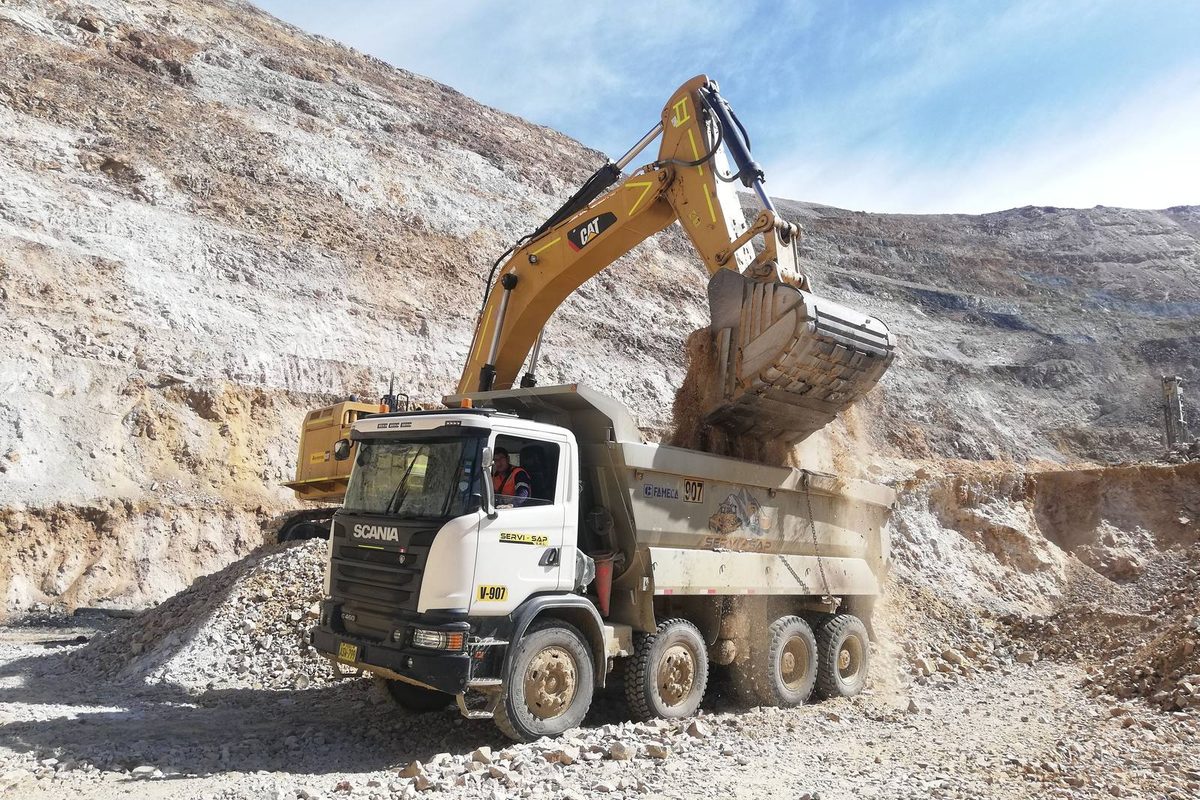
Southern Africa is trying to run one of the world’s great mining industries in one of its driest regions, and the contradiction shapes everything: where mines can be built, what they cost, how communities judge them, and a supplier market that runs from borehole drilling to desalination. The strange truth is that the industry’s water problem points in two directions at once. Some mines cannot find enough water to operate. Others cannot pump it out fast enough to survive.
How much water does mining actually use?
Less than the reputation suggests, nationally: mining draws a low single-digit percentage of South Africa’s water, a fraction of what agriculture takes. But national numbers mislead, because mining’s use is concentrated exactly where water is scarcest, the Northern Cape’s iron and manganese fields, the platinum belt, Namibia’s uranium desert, and its impact on quality can outlast the mine by a century. The industry’s water story is local, not national.
Where the water goes inside a mine
Processing takes most of it: crushing, grinding and flotation run wet, and slurry pipelines move ore and tailings as liquid. Dust suppression drinks steadily on every haul road. Cooling matters underground, where deep-level ventilation and refrigeration depend on chilled water circuits. A well-run modern operation recycles most of what it uses, closing the circuit between plant, tailings dam and return water, and the recycling rate has quietly become a licence-to-operate number that mines report as proudly as production.
The dry problem: mining where there is no water
Namibia’s Erongo uranium province is the extreme case: mines in a desert, supplied in part by desalinated seawater from the coast, with new projects planning around desalination from day one. Botswana’s Kalahari copper mines each carry their own wellfields, covered in our Botswana review, and the Northern Cape’s expansions budget for water security the way other regions budget for power. The dry side of the problem buys boreholes, pipelines sometimes hundreds of kilometres long, desalination and water-treatment plants, storage, and the monitoring that proves the mine is not draining its neighbours’ aquifer.
Water projects are mining projects
AMIQ tracks the mines and expansions whose water infrastructure gets bought and built, with verified contacts at each.
The wet problem: mining below the water table
Deep mines are wells whether they like it or not. Zambia’s Konkola, one of the wettest mines on earth, pumps enormous volumes every day just to keep working faces dry, and dewatering is a defining cost of its revival. South Africa’s deep gold and platinum shafts run permanent pumping infrastructure, and when a mine closes and its pumps stop, the void floods, which is where the region’s longest bill begins.
Acid mine drainage: the bill that outlives the mine
Water rising through old workings reacts with exposed sulphide minerals and emerges acidic and metal-laden. The Witwatersrand’s flooded gold workings and Mpumalanga’s coalfields are the region’s two great examples, both covered in our Gauteng and Mpumalanga reviews: state treatment stations that must run indefinitely, and reclamation plants in the coalfields whose treated mine water now supplies town taps. Acid mine drainage is the clearest single argument for modern closure planning, and commercially it is a permanent market, neutralisation reagents, pumps, sludge handling and monitoring bought year after year, for decades, with no closure date of its own.
Tailings: where water and safety meet
Tailings dams are water structures as much as waste structures, and after the global reckoning that followed the Brumadinho disaster in Brazil, the industry adopted a global standard on tailings management that pushes operators toward independent audits, better monitoring and, increasingly, technologies that take the water out: thickened and paste tailings, and dry stacking. The Kafue leach spill in Zambia in 2025 showed the region is not exempt. Every tailings facility in Southern Africa now lives under closer scrutiny, which for engineering firms and instrumentation suppliers is a compliance-driven market that did not exist at this scale a decade ago.
Sharing the resource: the social contract
A mine’s water licence is held against competing needs, farms, towns, ecosystems, and the region’s droughts make the competition visible. The response that works is shared infrastructure: mine-funded treatment plants supplying municipal water, wellfields sized for the district rather than the pit, and transparent monitoring that communities can check. Water stewardship has moved from the sustainability report to the operating licence, and the mines that treat it that way keep both their water and their welcome. The regulatory machinery behind licences sits in our regulators guide.
What this means for suppliers
Water is one of the few mining markets that buys at every phase and never stops: exploration camps drill boreholes, feasibility studies buy hydrogeology, construction buys pipelines and plants, operations buy pumps, chemicals and monitoring, and closure buys treatment that outlives everything. Whichever segment you serve, the entry point is knowing which operations face which side of the problem, too little water or too much. AMIQ tracks 2,200+ African mining projects with verified owner and engineer contacts across the region. Join at AMIQ, or see mining in Southern Africa for the regional picture.
Frequently asked questions
How much water does mining use in South Africa?
A low single-digit percentage of national water use, far less than agriculture. The industry’s real water issue is concentration: its demand and its quality impacts cluster in the driest districts, so the local effect is much larger than the national share suggests.
What is acid mine drainage?
Water that becomes acidic and metal-laden by reacting with sulphide minerals in mined rock, typically rising from flooded old workings. The Witwatersrand goldfields and Mpumalanga coalfields are the region’s major cases, requiring treatment that continues indefinitely after mining ends.
Do mines use desalinated water?
Yes, where there is no alternative. Namibia’s coastal desalination supplies uranium mines in the Erongo desert, and new dry-region projects increasingly plan desalination or long-distance supply from the start.
What is dry stacking of tailings?
Dewatering tailings until they can be stacked as a moist solid instead of stored behind a dam wall as slurry. It cuts water losses and dam-failure risk, and adoption is growing as the global tailings standard pushes operators toward safer methods.