South African mining did not begin at Kimberley. When the diamond diggers arrived in 1867, they were walking over ground that African miners had worked for the better part of a thousand years. But it was the half century between the first diamond and the deep gold mines that turned a farming region into an industrial economy, built Johannesburg out of nothing, and created the institutions, good and bad, that still shape the industry. Here is the whole arc, and why it matters to anyone working in South African mining today.
When did mining start in South Africa?
Long before colonial records began. Iron and copper were smelted in the Limpopo valley around a thousand years ago, the trading state at Mapungubwe worked gold into ornaments by the 13th century, and the copper deposits at Phalaborwa and Musina were mined and traded for centuries. The scale was small and the furnaces were clay, but the knowledge that these hills carried metal is far older than the industry that grew from it.
Diamonds first: Kimberley, 1867
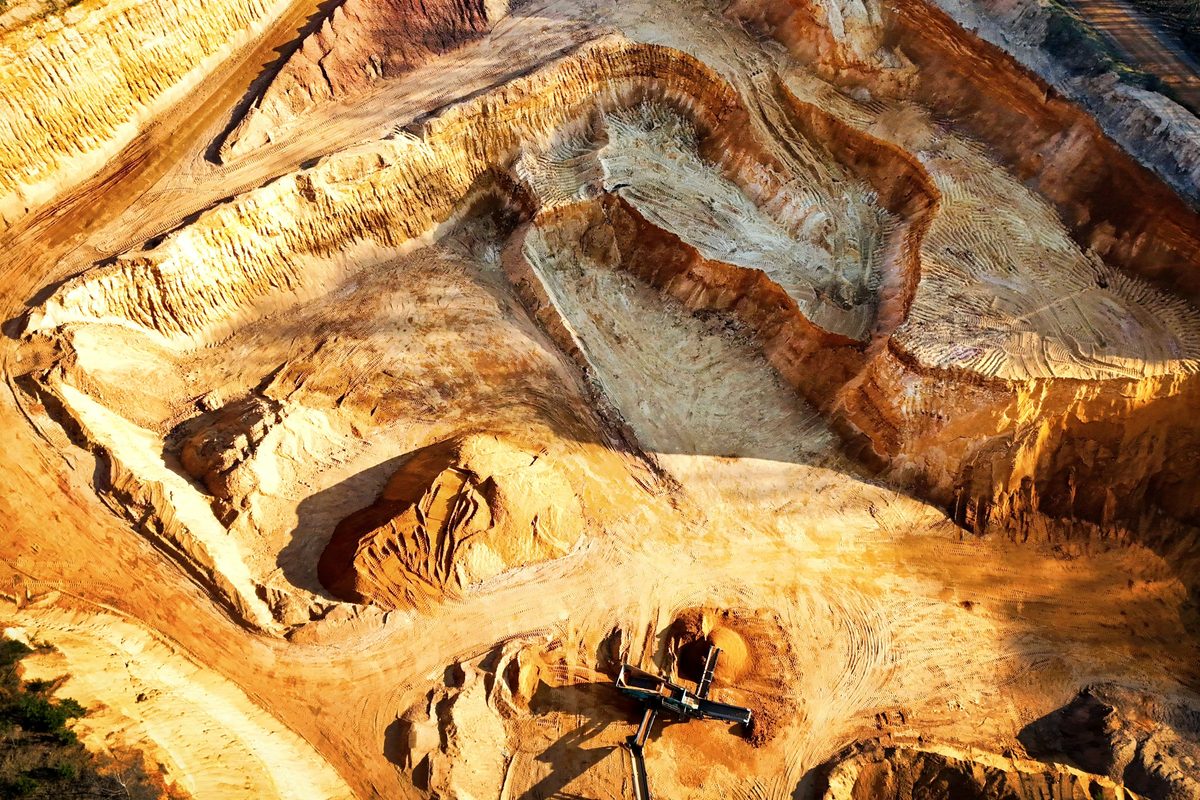
The modern industry began with a pebble picked up on a Northern Cape farm: the Eureka diamond, identified in 1867. Within five years tens of thousands of diggers were carving the Kimberley pipe into what became the Big Hole, among the deepest hand-dug excavations on earth. Kimberley is where the industry’s template was set. Small claims consolidated into large companies, culminating in De Beers under Cecil Rhodes in 1888. Deep mining replaced surface digging. And the compound system for housing migrant workers was invented, an institution that would define mine labour for a century.
The Rand: gold builds a country, 1886
In 1886 gold was confirmed on the Witwatersrand ridge, and the world’s largest goldfield turned a stretch of highveld farmland into Johannesburg. The Rand’s ore was unusual: not rich veins but vast, consistent, low-grade conglomerate reefs running kilometres deep. Mining it profitably needed capital on a scale individual diggers could never raise, so the industry organised early into the great mining houses, and needed chemistry too: the cyanide process, adopted in the 1890s, made the low grades pay and became the global standard for gold extraction.
Gold’s gravity bent everything around it. The railways were driven inland to serve the mines. The South African War of 1899 to 1902 was fought in large part over who would control the goldfield. And the mines’ endless appetite for cheap labour produced the migrant labour system, recruiting men from across Southern Africa into compounds, with taxes and land laws pushing them off the land and into the shafts. The system built the industry’s profits and much of the region’s later hardship at the same time, and its legacy still runs through mining towns, labour relations and the platinum belt’s politics today.
Coal, iron and the industrial state
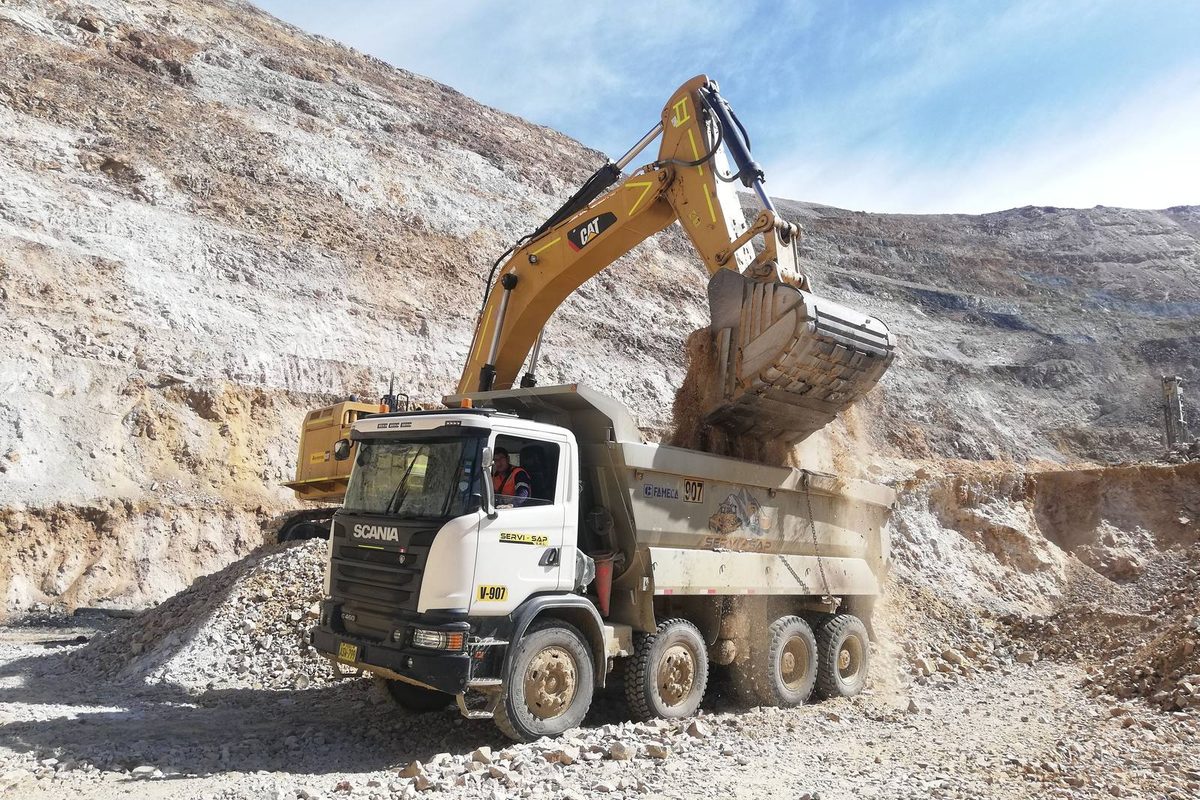
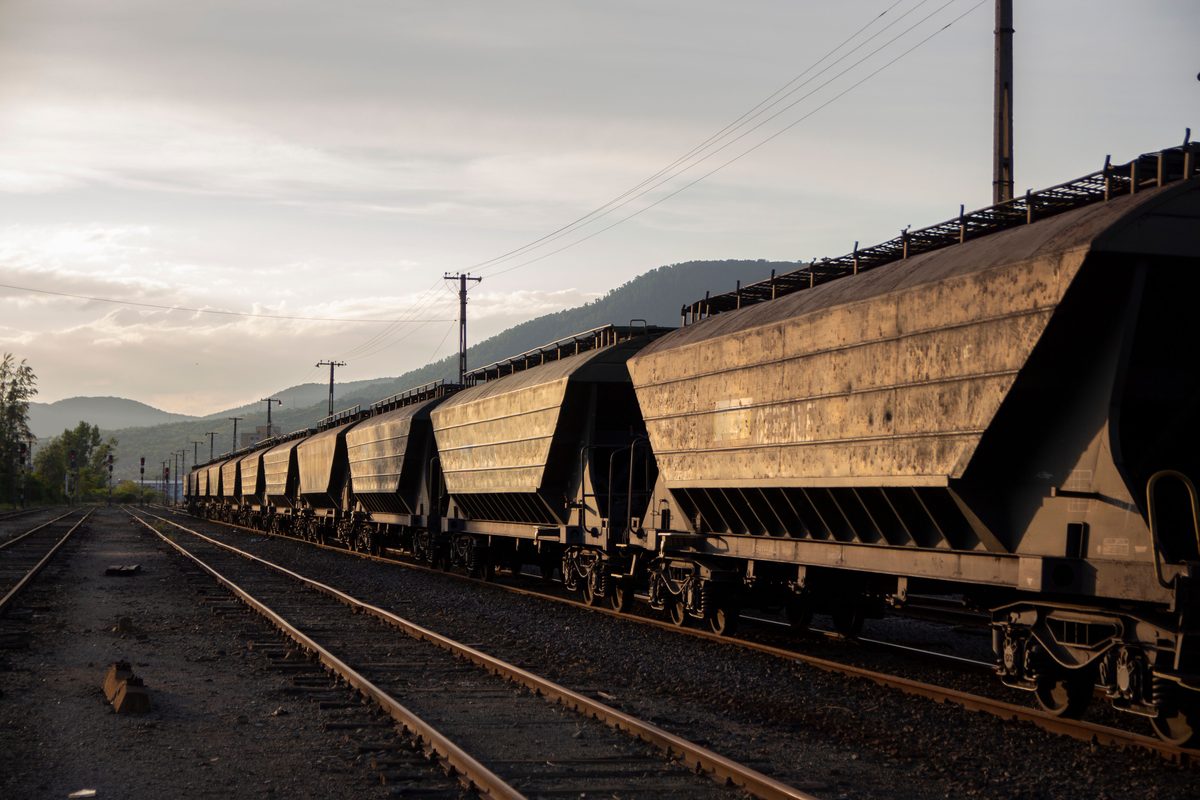
Gold and diamonds made the headlines while coal quietly made the economy run. The Witbank coalfield, today’s Emalahleni, fed the mines and railways from the 1890s, then the power stations and the state steelworks at Vanderbijlpark from the 1930s and 1940s. The apartheid state doubled down on minerals-driven industrialisation: Sasol was built in the 1950s to turn coal into petrol against the threat of sanctions, an origin story told in our Secunda profile, and cheap coal power became the foundation on which the entire industrial economy, including the mines themselves, was built.
The peak, and the long turn
South African gold peaked in 1970 at around 1,000 tonnes, two thirds of world production that year, from mines pushing ever deeper into the Witwatersrand. It has declined almost every year since, to roughly 100 tonnes now, as the remaining ore retreated beyond 3 and 4 kilometres of depth. But the industry did not shrink so much as change shape. The Bushveld Complex’s platinum, mined seriously from the mid-20th century, grew into the world’s dominant source. Iron ore from the Northern Cape, manganese from the Kalahari field, chrome from the Bushveld and export coal from Mpumalanga each built industries that today collectively dwarf gold. The full endowment picture is in our minerals of South Africa guide.
The next chapter is being written now
AMIQ tracks the projects and mines carrying South African mining forward, with verified contacts at each one.
Democracy, the MPRDA and the modern industry
The democratic era rewrote mining’s legal foundations. The Mineral and Petroleum Resources Development Act of 2002 ended private mineral ownership and made the state custodian of the resource, with rights granted on application, the system unpacked in our mining rights explainer. Successive Mining Charters pushed ownership transformation. The tragedy at Marikana in 2012, when 34 striking mineworkers were shot by police, forced a reckoning with the industry’s labour model whose effects on wages, housing and union politics continue. And the 2010s added a new struggle: unreliable power and rail, which have shaped investment decisions as strongly as any orebody.
What the history leaves behind
Almost every feature of today’s industry is inherited. The deep-level engineering skills that make South African firms sought after across Africa come from chasing Witwatersrand gold downward for a century. The tailings dumps around Johannesburg are now mines themselves, reprocessed for the gold old plants missed, and the acid water rising through old workings is a permanent treatment industry, both covered in our Gauteng mining reality check. The rail lines, ports and power stations mining built now constrain it. And the institutional memory, good and bad, sits in every wage negotiation and every charter debate. History here is not background reading. It is the operating environment.
Frequently asked questions
When did mining start in South Africa?
Pre-colonial African miners smelted iron and copper and worked gold around Mapungubwe and Phalaborwa roughly a thousand years ago. The modern industry began with the Eureka diamond find of 1867 and the Witwatersrand gold discovery of 1886.
Why was the Witwatersrand gold discovery so important?
It was the largest goldfield ever found: vast, consistent reefs that created Johannesburg, drew the railways inland, pulled in global capital, and financed South Africa’s industrialisation. At its 1970 peak the Rand produced two thirds of the world’s gold.
What was the migrant labour system?
The recruitment of men from across Southern Africa to live in mine compounds while their families stayed in rural areas, entrenched from the Kimberley diamond era. It supplied the mines with cheap labour for a century and left social and political legacies the industry still deals with.
What is the MPRDA?
The Mineral and Petroleum Resources Development Act of 2002, the democratic era’s foundational mining law. It ended private mineral ownership, made the state custodian of all minerals, and established the licensing system through which prospecting and mining rights are granted today.